Plumbers University

Plumbers University

Learn plumbing. Price smart. Find work.

All guides

Radiators

Thermostatic radiator valves (TRVs) explained

7 min read · Plumbers University teachers

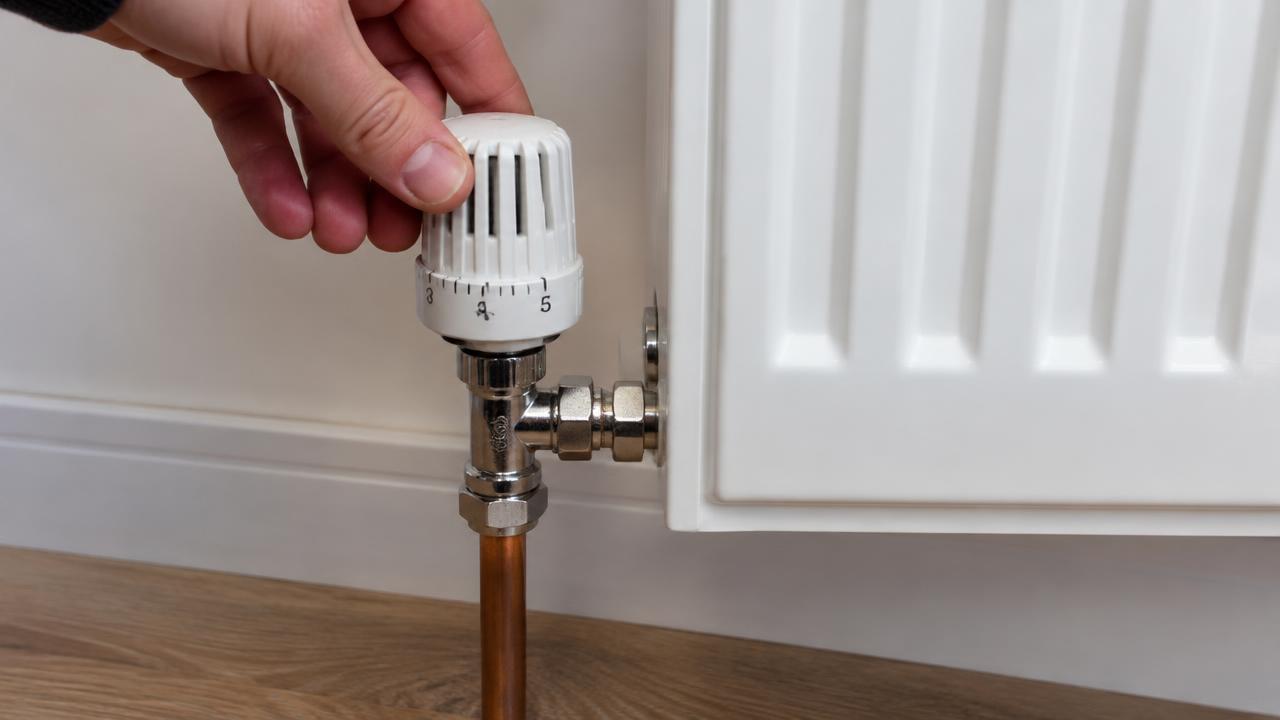
Thermostatic radiator valve with numbered head

Quick answer

A TRV controls each radiator by room temperature. The numbers (usually 0 or * to 5) are temperature settings, not speed. 3 is around a comfortable room temperature. If a radiator stays cold, the pin under the TRV head may be stuck — remove the head and gently free it.

How a TRV works

The head contains wax or liquid that expands as the room warms. It pushes a pin down, closing the valve. As the room cools it shrinks, the pin rises and hot water flows again.

What the numbers mean

  • * or frost: only stops freezing.
  • 1–2: cool rooms like bedrooms.
  • 3: comfortable for most living spaces.
  • 4–5: warmer rooms; 5 is near fully open.

Pro tip: Turning to 5 does not heat the room faster — it just lets it get hotter before closing.

Freeing a stuck pin

  1. Turn the head to fully open (5) and unscrew it.
  2. You will see a small metal pin.
  3. Press it gently: it should spring back up.
  4. If stuck down, wiggle it gently with grips and a little lubricant.
  5. Refit the head.

Where TRVs should not go

The room with the main heating thermostat should usually not have a TRV, or it may stop the system working properly. Check the system design.
Frequently asked questions

Do TRVs save money?

They stop rooms being heated more than needed, which can reduce energy use.

Can I change a TRV head without draining?

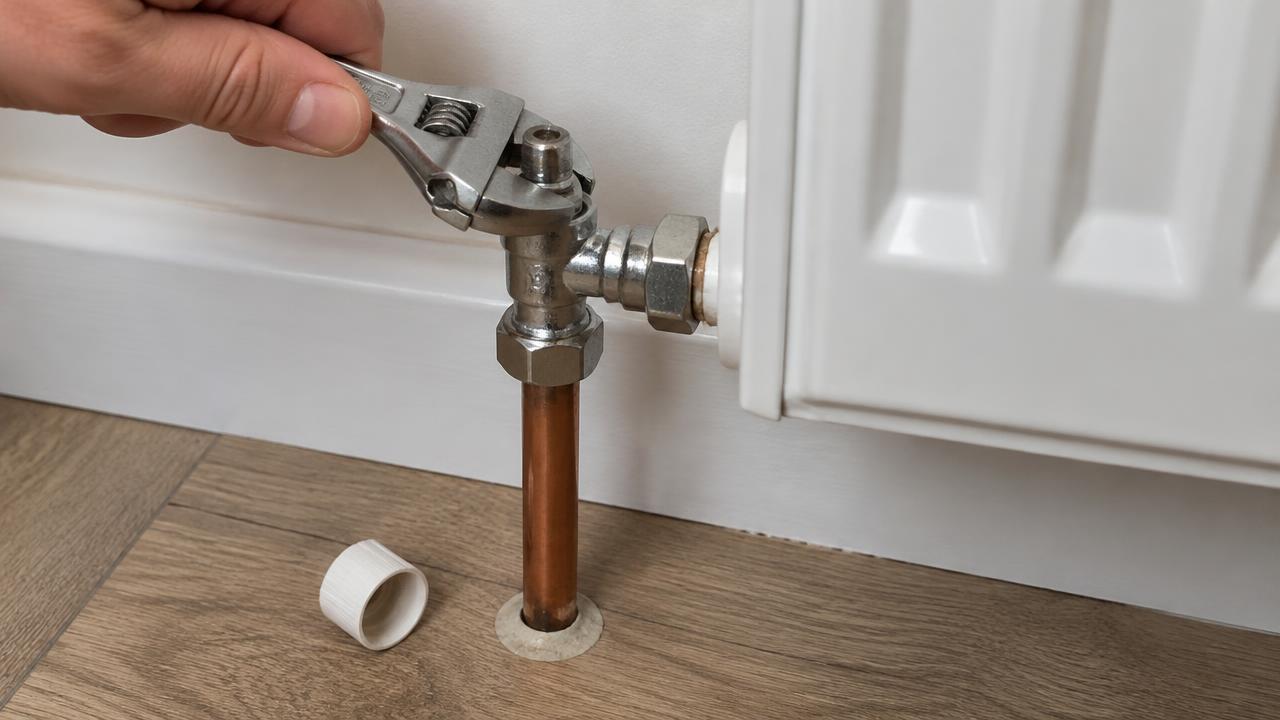
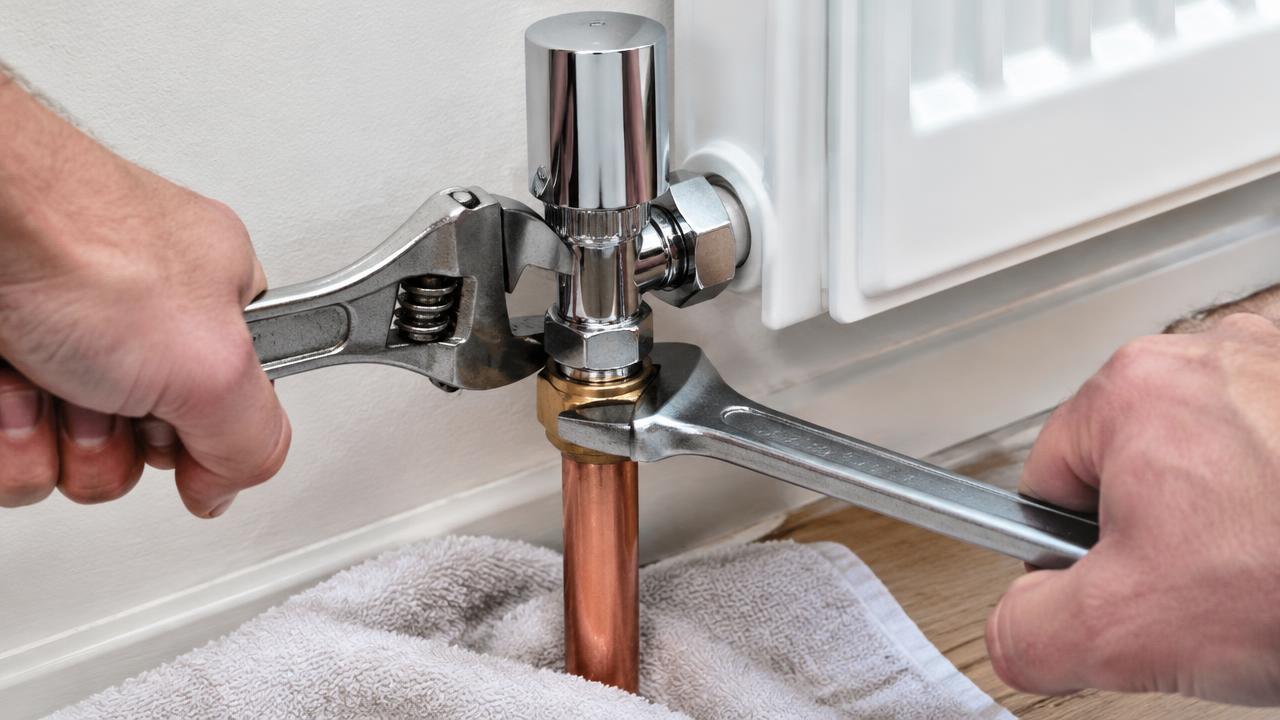
Yes, the head unscrews without draining. Changing the valve body needs draining.

Which way does water flow through a TRV?

Many are bidirectional, but some have an arrow — follow it.

This guide is general advice. If you are unsure, stop and ask a qualified plumber. We teach plumbing only — never work on gas.

Related guides