Plumbers University

Plumbers University

Learn plumbing. Price smart. Find work.

All guides

Radiators

How to balance radiators

9 min read · Plumbers University teachers

Lockshield and thermostatic radiator valves on a radiator

Quick answer

Open all valves fully, then turn the heating on and note which radiators get hot first. Turn the lockshield valves on the fastest radiators most closed, and leave the slowest radiators fully open, so hot water is shared evenly. Ideally measure 12°C difference between flow and return pipes.

What you need

  • Lockshield valve key or spanner
  • Radiator key
  • Notepad
  • Pipe thermometer (optional)

Why balance?

Water takes the easiest path. Radiators closest to the pump get lots of hot water; the furthest get little. Balancing slightly restricts the near ones so the far ones get their share.

Know your valves

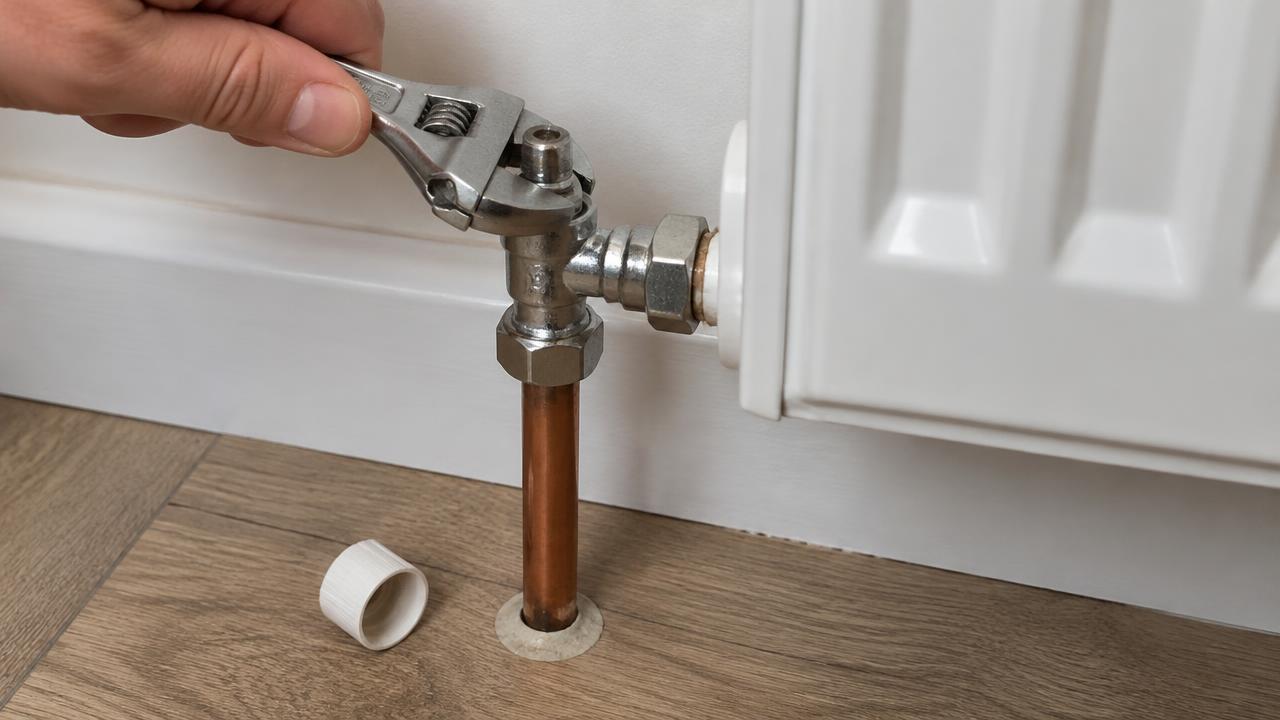
  • Lockshield valve: plastic cap, adjusted with a key or spanner. Sets the flow — the balancing valve.
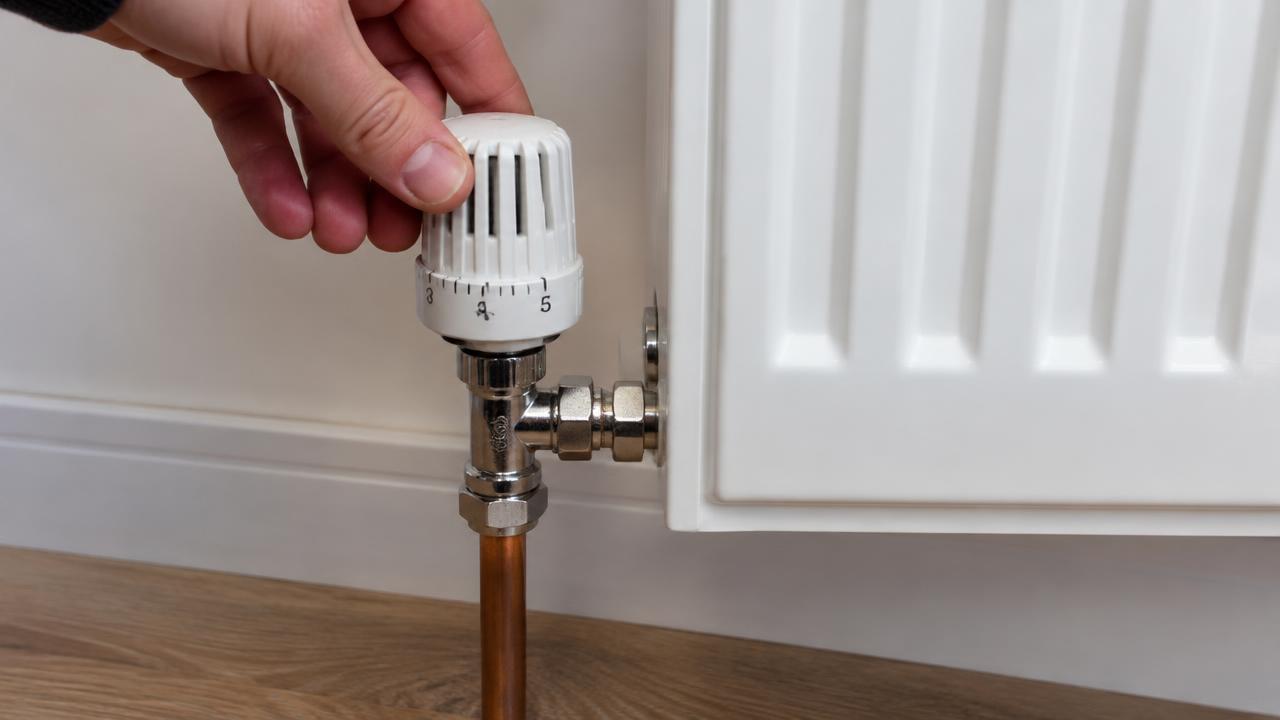
  • Wheelhead or TRV: the one you turn by hand to control the room.

Step by step

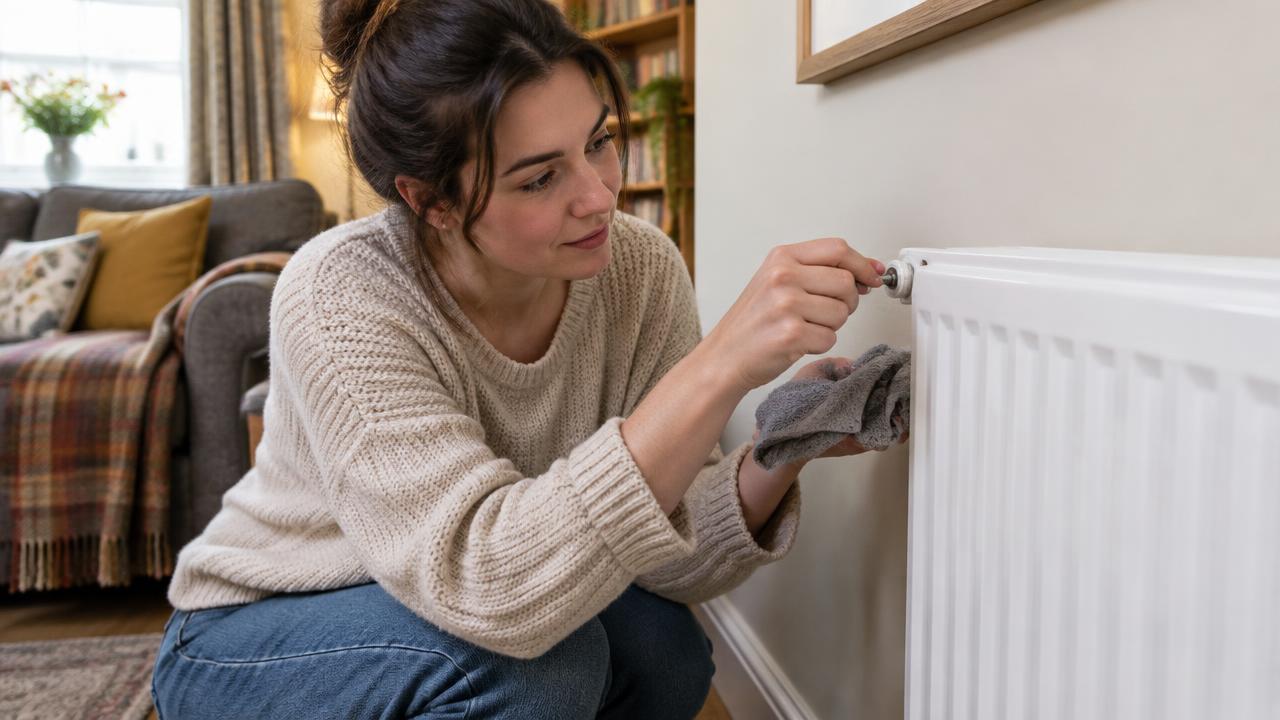
  1. Bleed all radiators first.
  2. Turn the heating off and let it cool.
  3. Open all TRVs and lockshields fully.
  4. Turn on the heating and note the order radiators warm up.
  5. Turn off the heating, let it cool.
  6. For the first radiator to warm, close the lockshield then open it about a quarter turn.
  7. Open the next ones a little more each time, and leave the last ones fully open.
  8. Run the heating and adjust until all heat well.

Pro tip: With a pipe thermometer, aim for about 12°C between the pipe going in and the pipe coming out of each radiator.

Still not right?

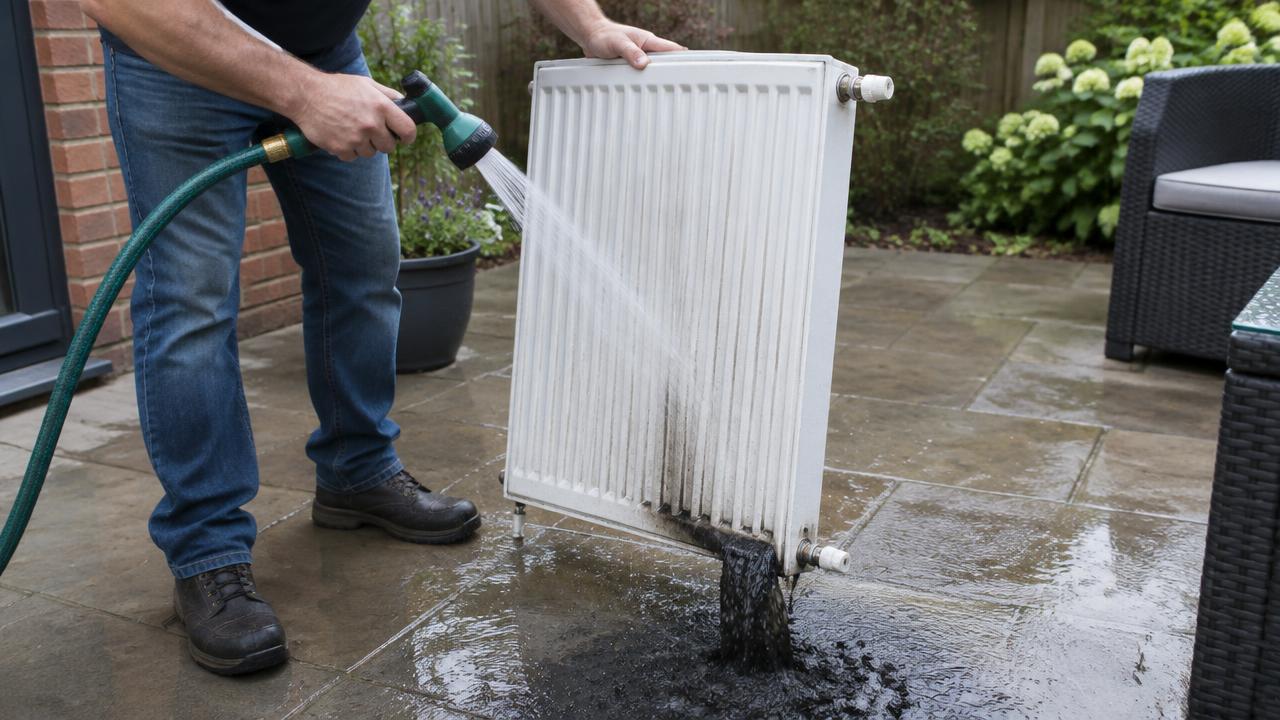
Sludge, a weak pump or undersized pipes can stop good balancing. Check those before spending hours adjusting.
Frequently asked questions

How long does balancing radiators take?

Usually a few hours, because you wait for the system to heat and cool.

Which valve is the lockshield?

The one with a plastic cap that cannot be turned by hand.

Does balancing save money?

It helps the system work efficiently and every room heats properly.

This guide is general advice. If you are unsure, stop and ask a qualified plumber. We teach plumbing only — never work on gas.

Related guides