Plumbers University

Plumbers University

Learn plumbing. Price smart. Find work.

All guides

Radiators

Radiator cold at the bottom? Here's why

8 min read · Plumbers University teachers

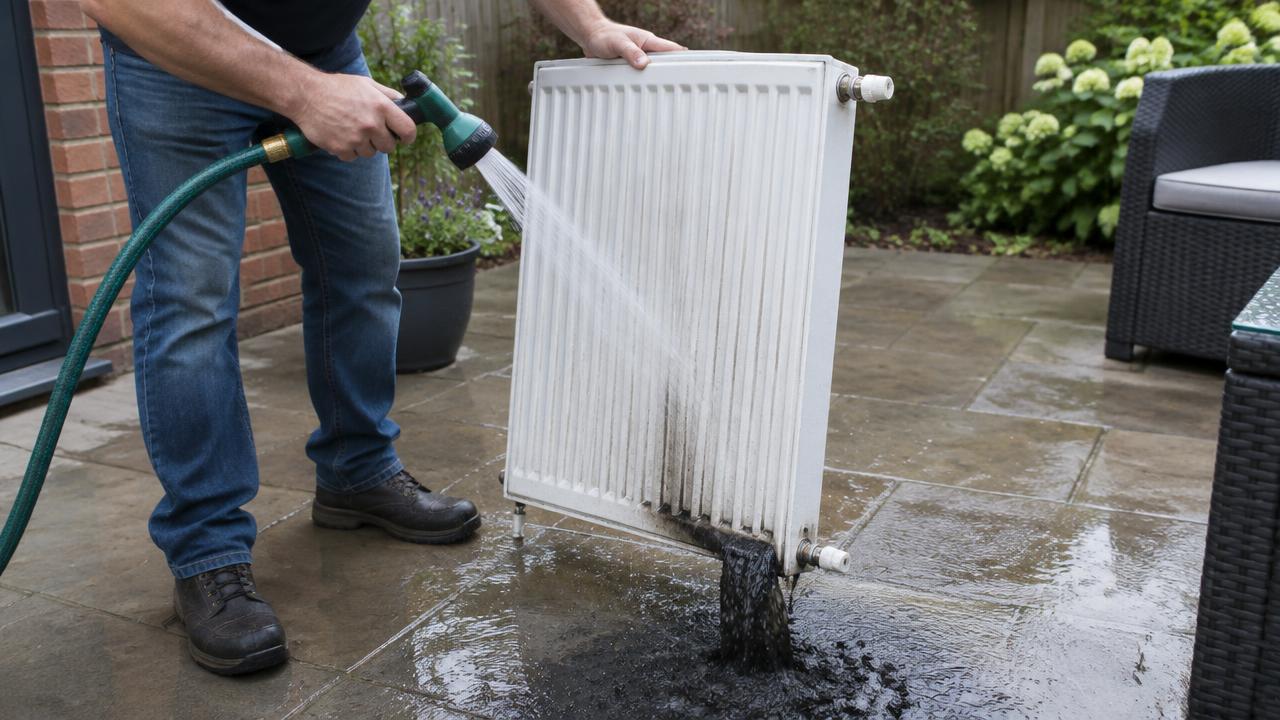
Radiator being removed from the wall for flushing

Quick answer

A radiator cold at the bottom usually has sludge — black iron oxide that settles at the bottom and blocks hot water. The fix is to remove the radiator and flush it out with a hose, or have the whole system power flushed. Adding inhibitor after helps prevent it.

What you need

  • Radiator key
  • Adjustable spanners
  • Towels and tray
  • Hose
  • Valve caps or bungs

Cold top vs cold bottom

  • Cold at the top: air — bleed it.
  • Cold at the bottom: sludge.
  • Cold in the middle or patchy: sludge or a blockage inside.
  • Cold all over: valve closed, TRV pin stuck or system balance.

What is sludge?

Inside steel radiators, water slowly rusts the metal. The rust turns into a black mud called magnetite. It is heavy, so it settles at the bottom of radiators and in pipes, slowing the flow and making the system less efficient.

Flushing a radiator (overview)

  1. Heating off and cool.
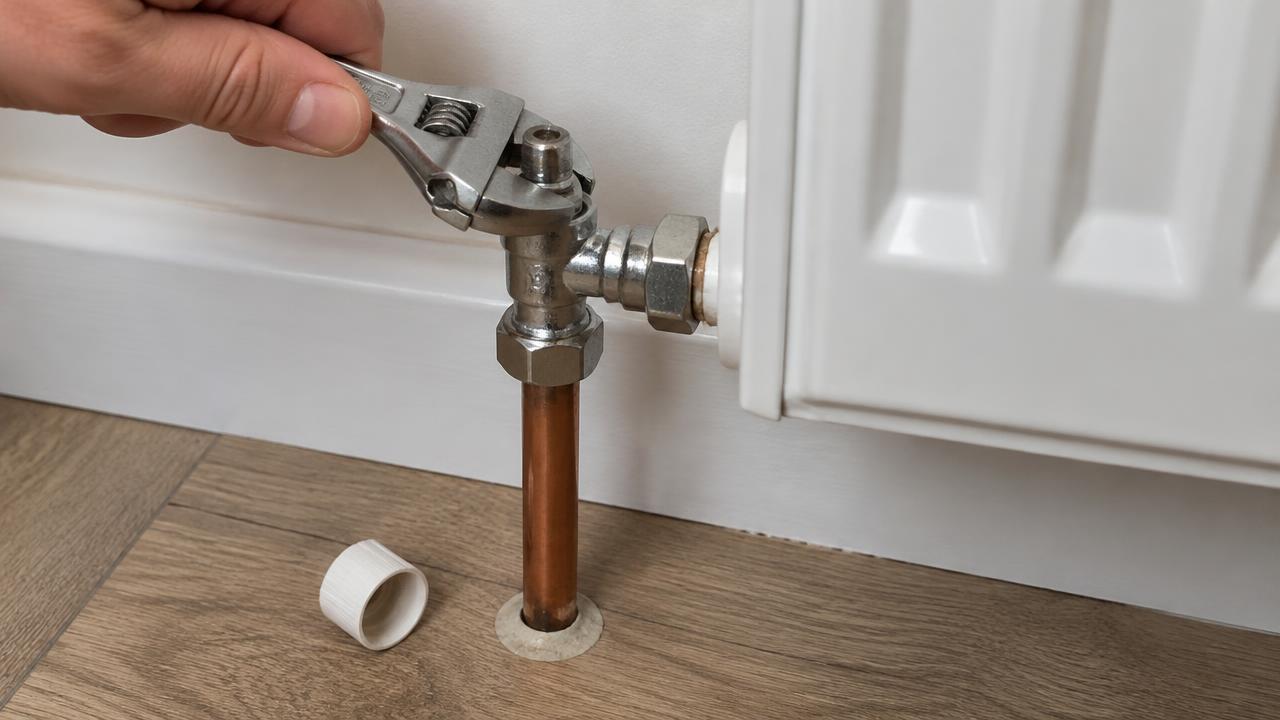
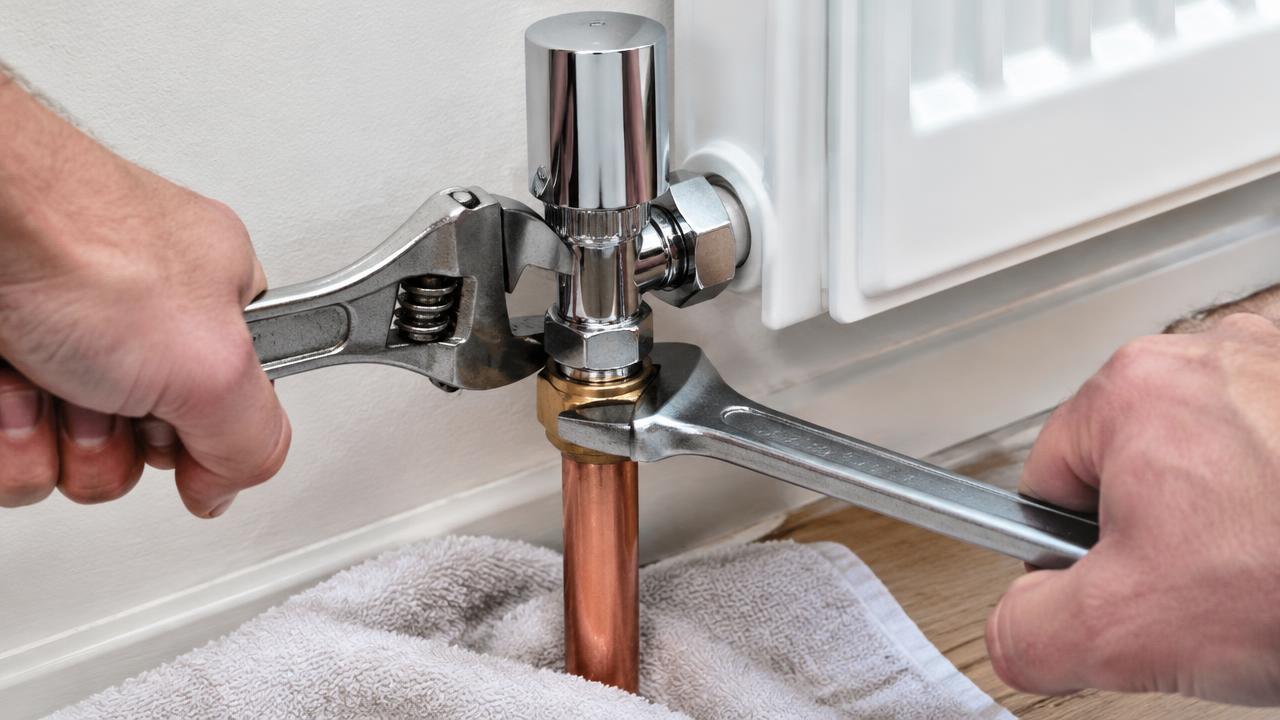
  2. Close both radiator valves — count the turns on the lockshield so you can reset it.
  3. Put towels and a tray down, undo the valve unions and drain.
  4. Lift the radiator off and take it outside.
  5. Flush with a hose until the water runs clear.
  6. Refit, open valves, bleed, and check the pressure.

Pro tip: Radiator water is black and stains carpets badly. Use lots of towels and keep the radiator upright when carrying.

Prevent sludge

  • Keep the right amount of inhibitor in the system.
  • Fit a magnetic filter.
  • Fix leaks so fresh water (and oxygen) is not constantly added.
Frequently asked questions

Can I flush a radiator without removing it?

Not effectively. The sludge needs to be washed out.

What is a power flush?

A machine pumps cleaning chemicals through the whole system at high flow.

Does sludge cost me money?

Yes, a sludged system heats less efficiently.

This guide is general advice. If you are unsure, stop and ask a qualified plumber. We teach plumbing only — never work on gas.

Related guides