Step 1: Empty and dry the cupboard
Take everything out and dry all pipes, joints and the cupboard floor. You cannot find a leak on wet pipes. Put dry kitchen roll on the cupboard floor under each joint — the drip will show on the paper exactly below its source.
Step 2: Test the supply pipes (always under pressure)
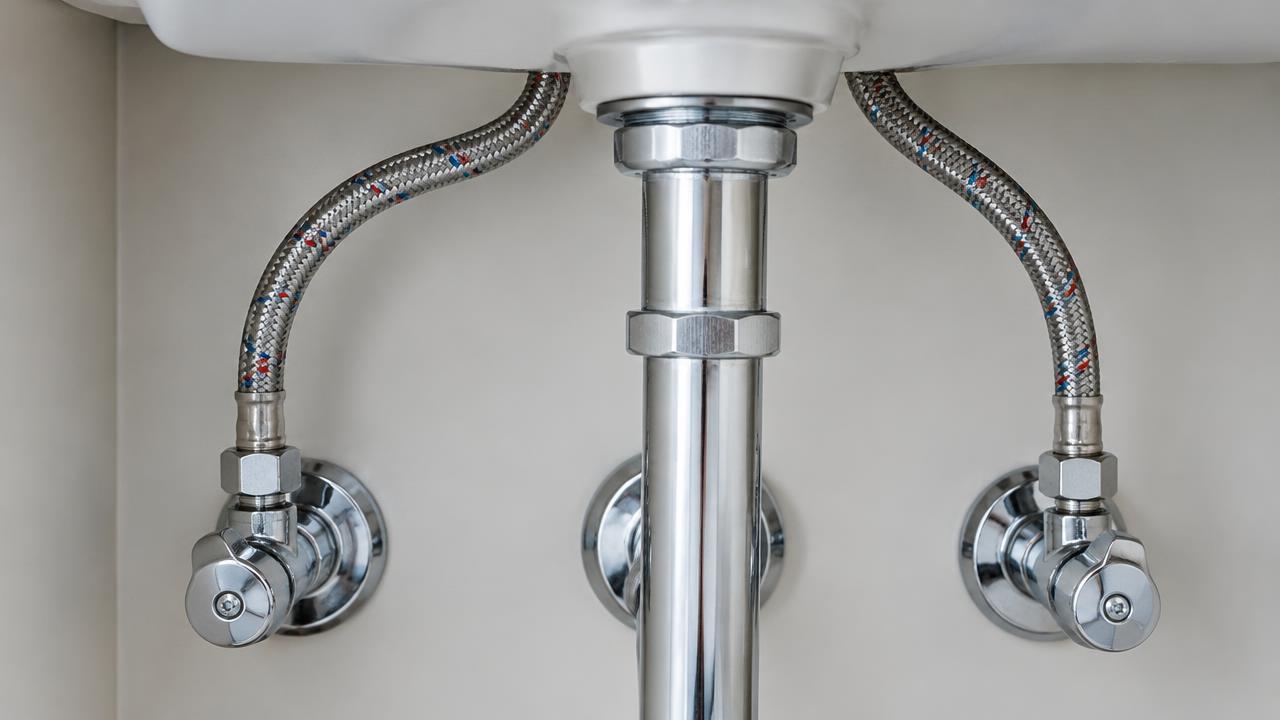
The hot and cold pipes to the tap have water in them all the time, even when the tap is off. If the leak happens when nobody is using the sink, it is almost always the supply side: the flexi tail connections, the isolation valves or a compression joint.
Pro tip: Wrap dry tissue around each joint. A wet tissue after 10 minutes points to the culprit.
Step 3: Test the waste side (only when water is running)
If the leak only appears when you use the sink, it is the waste. Run the tap with the plug out for a minute. Then fill the sink and pull the plug — the large rush of water tests every joint.
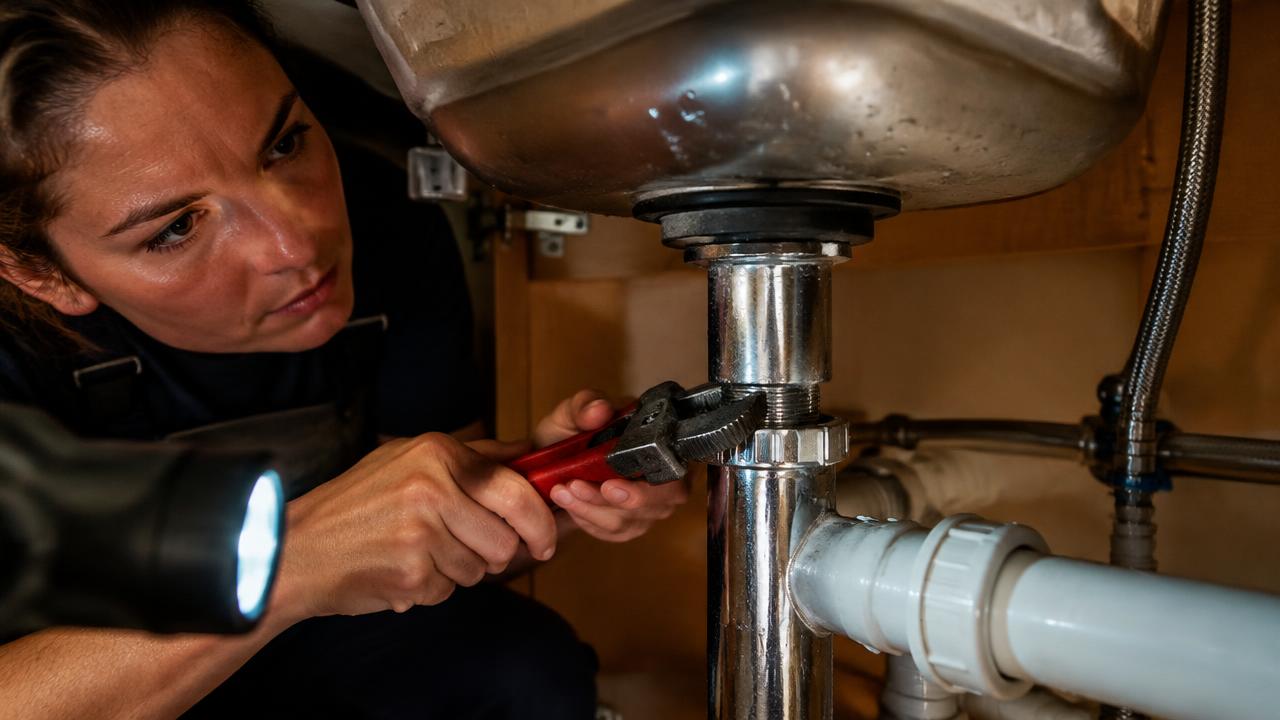
- Drip from the trap nuts — missing or twisted washer or loose nut.
- Drip from under the plug hole — the waste seal or the sealant under the waste flange has failed.
- Drip from the overflow — the overflow pipe seal or connection is loose.
- Water from the worktop edge — the sink sealant has gone.
Fixing the common causes
- Trap nuts: undo, check the cone or flat washer is there and the right way round, refit hand-tight plus a little.
- Flexi tail: tighten a quarter turn. If still leaking, the rubber washer inside the nut may be split — replace the tail.
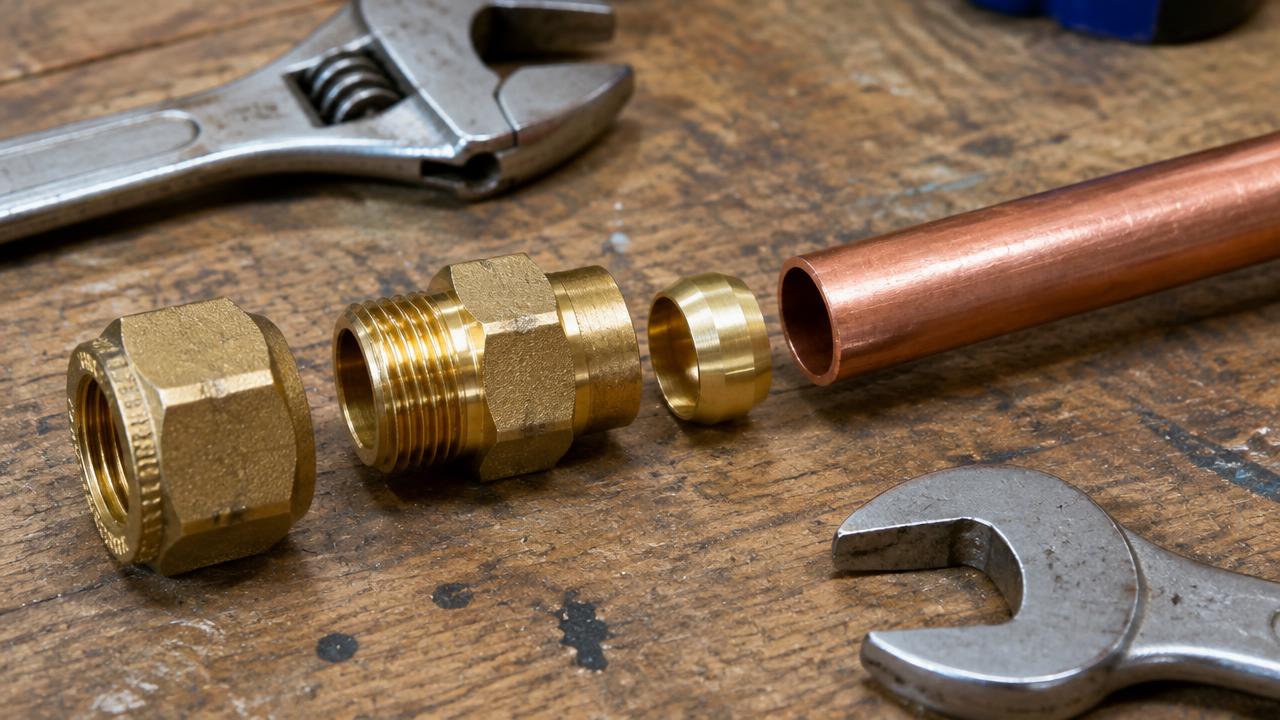
- Compression joint: hold the body, tighten the nut a quarter turn.
- Waste: remove, clean off old sealant, refit with new washers or a bead of silicone as the instructions say.
The SSS rule makes leak-finding easy
Every joint follows Solid – Seal – Solid. When you find a leaking joint, ask: where is the seal here? Is it missing, damaged, or not squeezed enough? That one question solves most leaks.
When it is more serious
If the leak is from the pipe itself (pinhole), from inside the wall, or the cupboard base is rotten, isolate the water and get it repaired properly. Damp cupboards also grow mould, so dry them fully afterwards.