Plumbers University

Plumbers University

Learn plumbing. Price smart. Find work.

All guides

Fittings

Flexible tap tails (flexi hoses) explained

7 min read · Plumbers University teachers

Close-up of a flexible tap tail nut showing the rubber washer

Quick answer

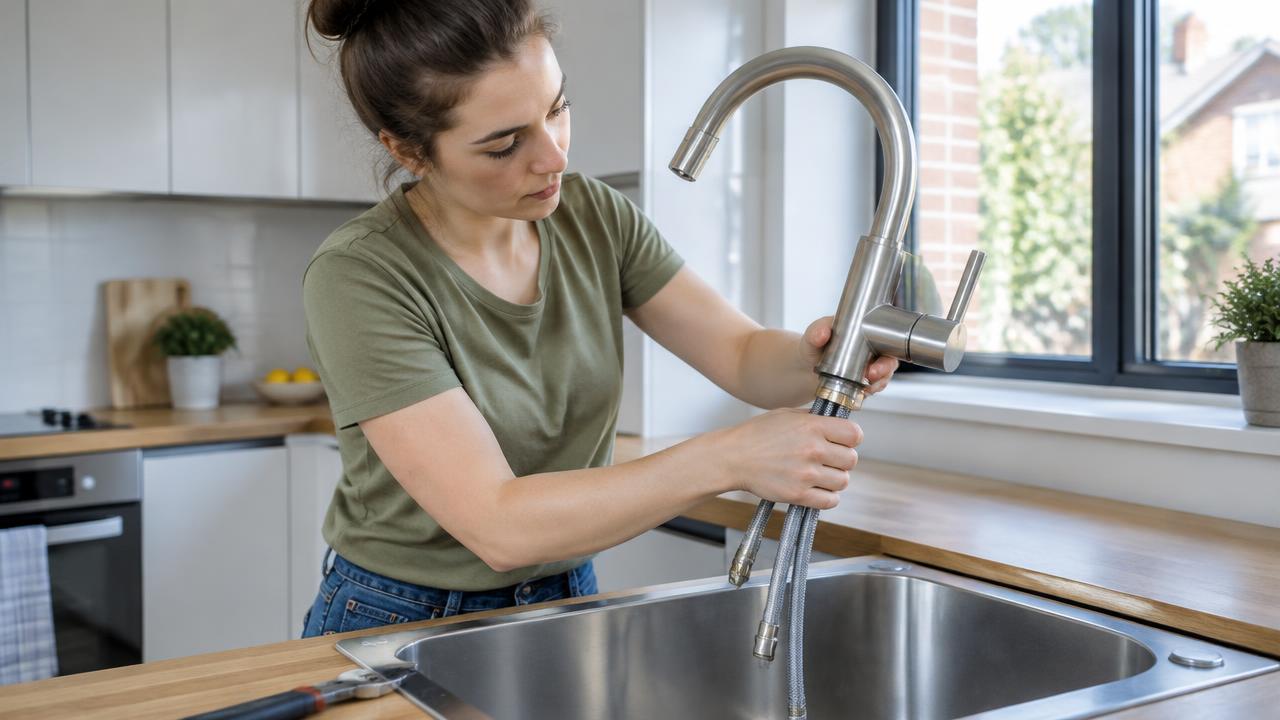
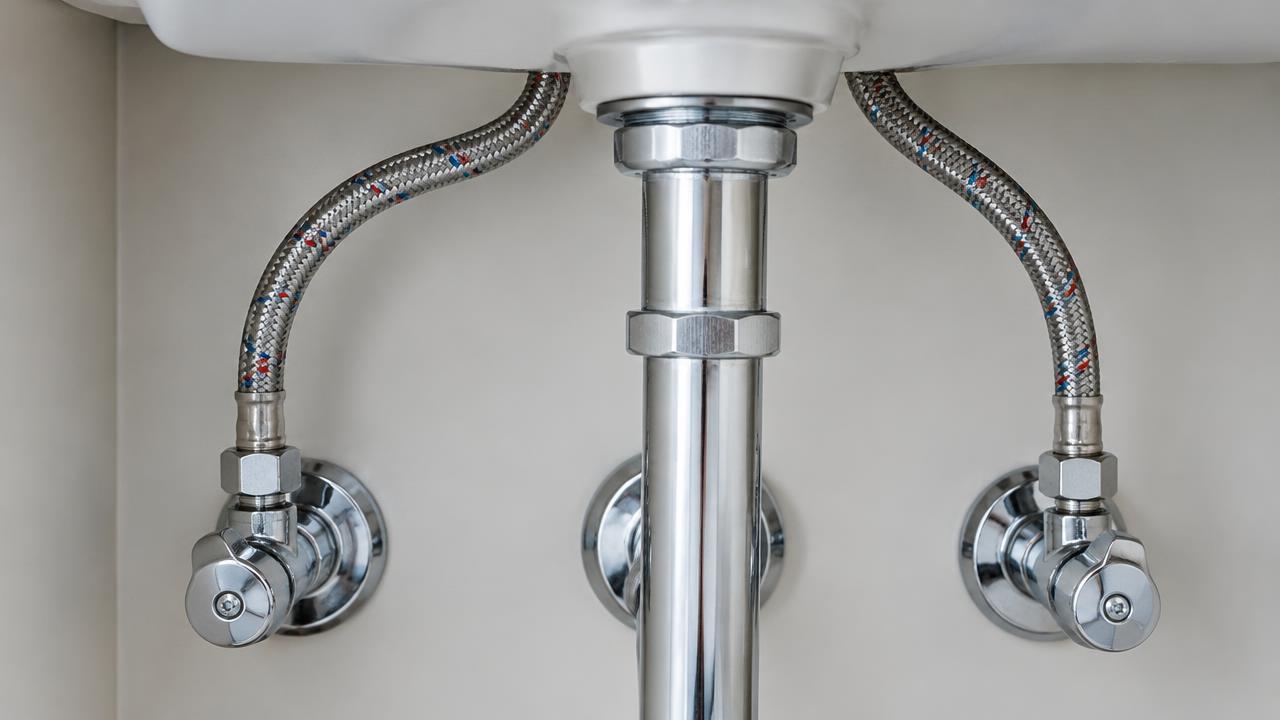
Flexible tap tails connect a tap to the water pipe. One end screws into the tap (often M10 thread), the other has a female nut with a rubber washer inside that goes onto a 15mm valve or a ½ inch thread. The rubber washer is the seal, so no PTFE is needed. Tighten firm plus a quarter turn and never kink them.

What you need

  • Adjustable spanner
  • Correct flexi tails
  • Isolation valves

Common UK sizes

  • Tap end: M10 or M8 male thread into the tap body (check your tap).
  • Supply end: 15mm compression, or ½ inch female BSP nut with a washer.
  • Lengths: 300mm and 500mm are common.

Where the seal is

Inside the female nut is a rubber washer. When you tighten the nut onto the valve or thread, the washer is squashed between the solid nut end and the solid fitting. That is your SSS seal. The threads only hold it together.

Pro tip: Look inside the nut before fitting. If the washer is missing, twisted or split, it will leak.

Fitting tips

  1. Screw the tap end in by hand only — do not over-tighten into the tap.
  2. Route the tail in a gentle curve; no sharp bends.
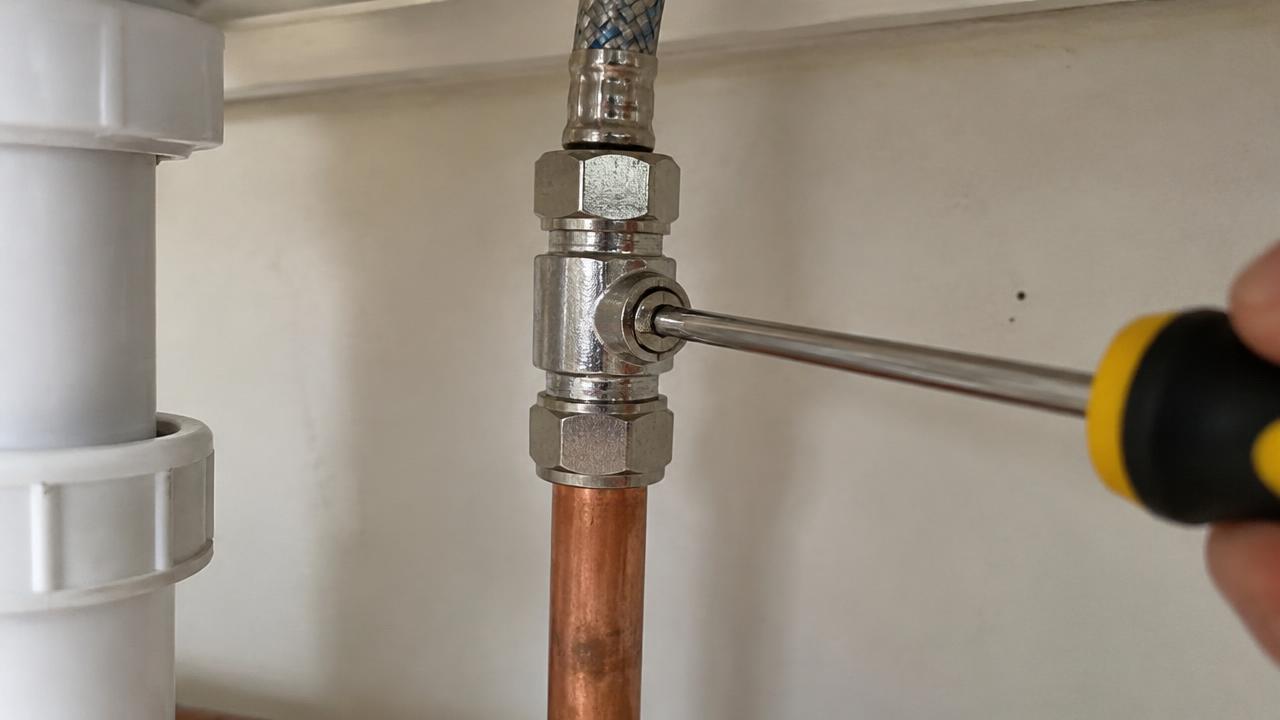
  3. Connect to an isolation valve so the tap can be isolated later.
  4. Tighten the nut by hand, then a quarter turn with a spanner.
  5. Test with full pressure.

When to replace flexi tails

  • Rust or broken braiding.
  • Bulges or kinks.
  • Persistent weeping at the nut after a new washer.
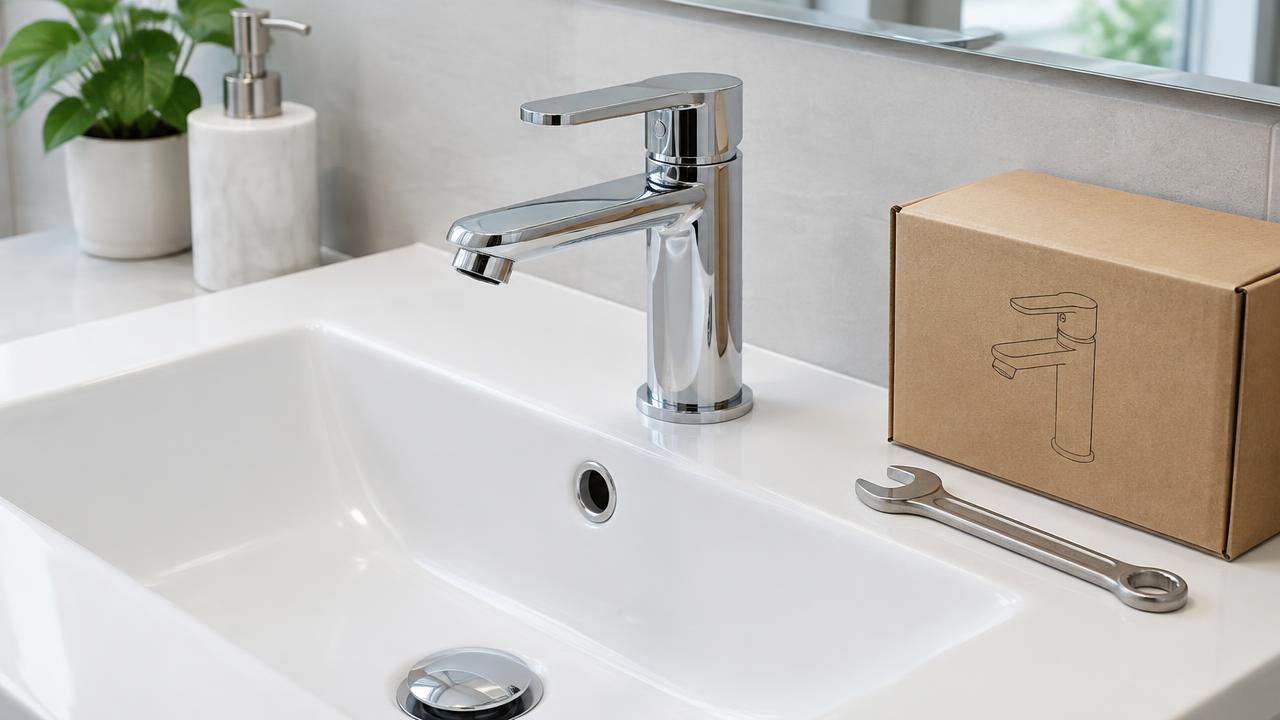
  • When replacing the tap — always use new tails.
Frequently asked questions

Do I need PTFE on flexi tails?

No. The rubber washer seals the joint.

Can you extend flexi tails?

Yes, with longer tails or a suitable adapter, but avoid stretching or kinking.

How long do flexi tails last?

Many years, but check them during any tap work and replace if damaged.

This guide is general advice. If you are unsure, stop and ask a qualified plumber. We teach plumbing only — never work on gas.

Related guides