First: stop it overflowing
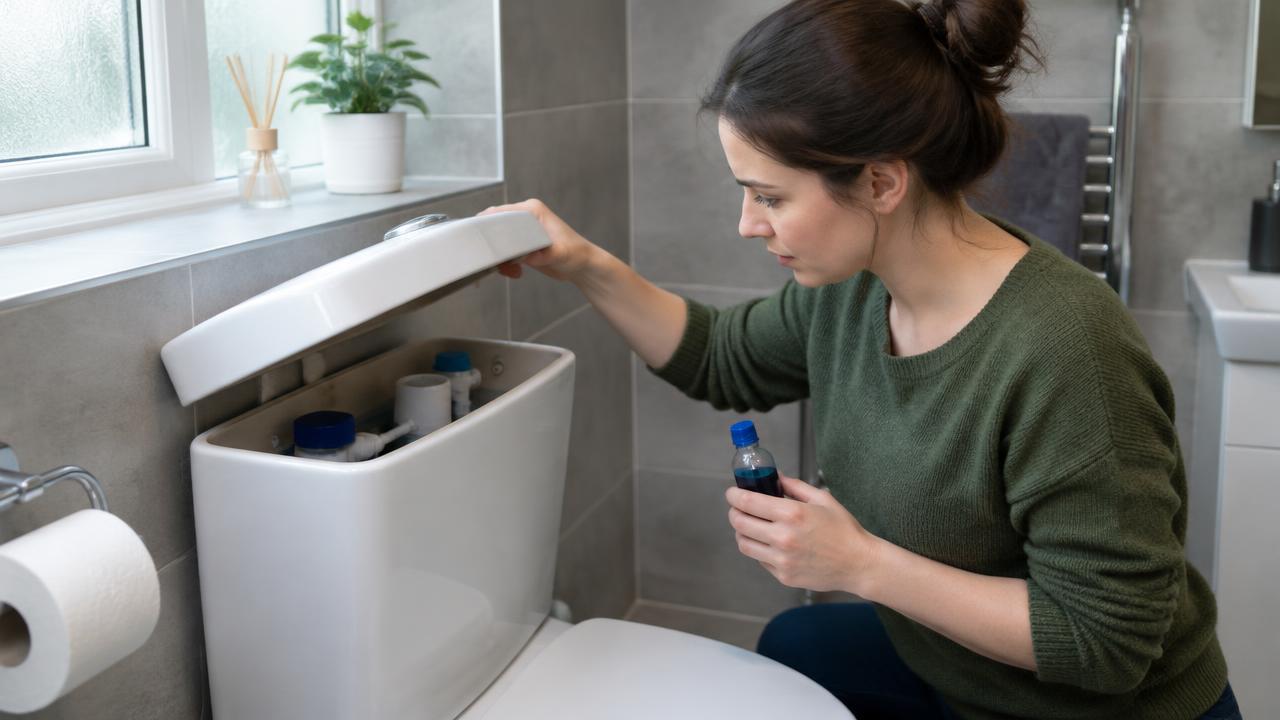
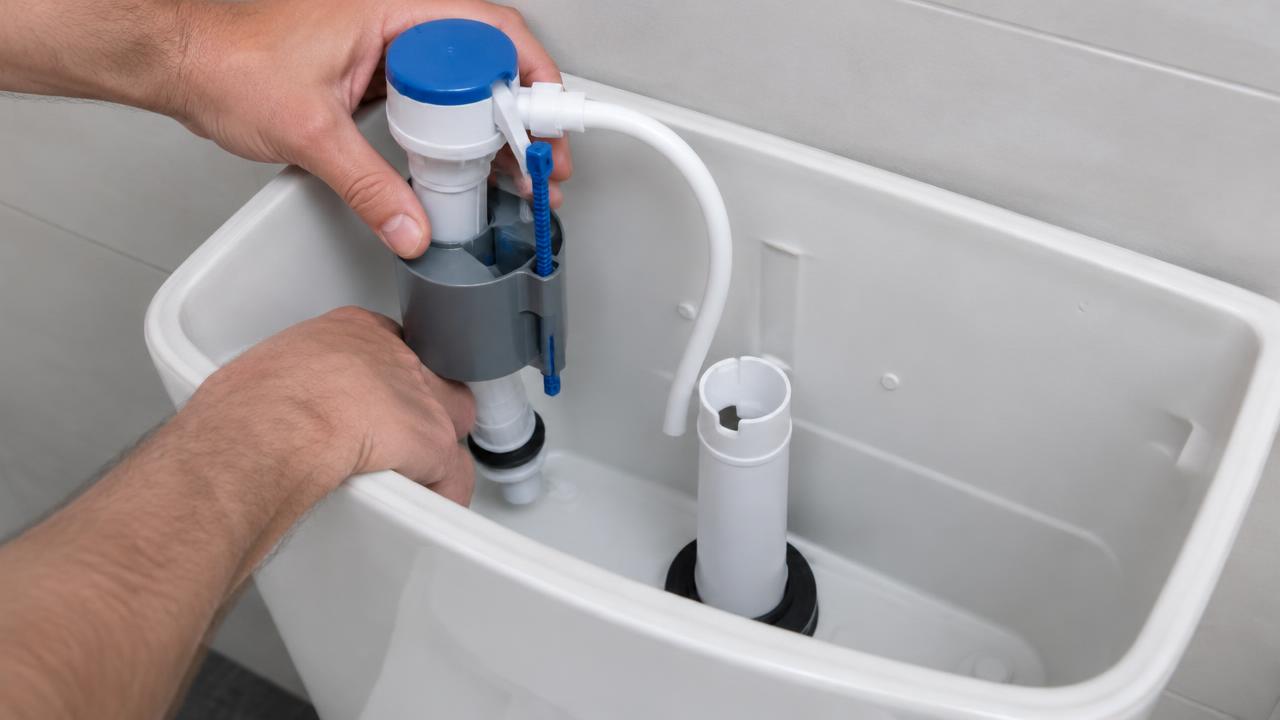
If the water is high, do not flush. Lift the cistern lid and push the flapper or flush valve down, or turn off the isolation valve to the toilet so no more water comes in.
Using a plunger
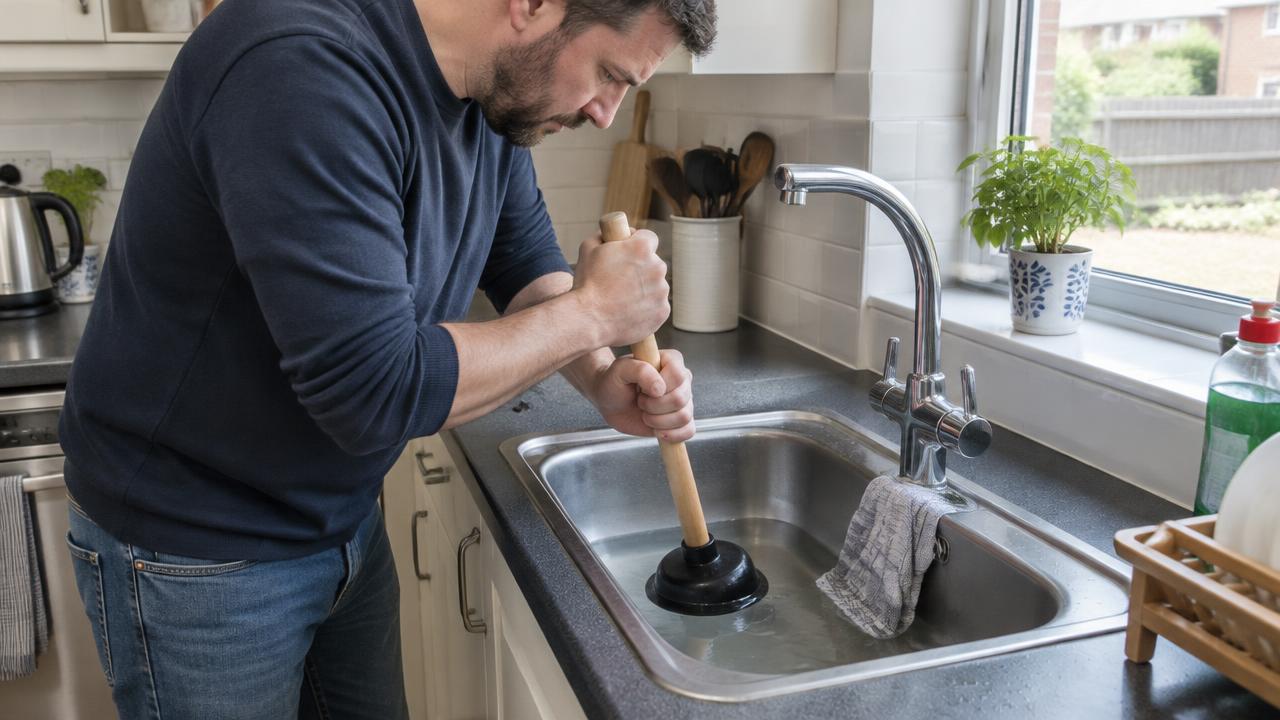
- Use a toilet plunger with an extra flange that fits the outlet.
- Make sure there is enough water to cover the plunger cup.
- Push in slowly first to push out air, then pump firmly 10–15 times.
- Pull up sharply and check if the water drains.
- Repeat a few times before giving up.
Using a toilet auger
A toilet auger is a short drain snake with a protective sleeve so it does not scratch the pan. Feed it into the outlet and crank the handle to break up or hook the blockage.
Is it the main drain?
- Bath, shower and sinks are slow too.
- Water comes up the shower or bath when the toilet flushes.
- The outside inspection chamber (manhole) is full of water.
Pro tip: If the drain is shared, the water company may be responsible for clearing it. Call them first.
Never do this
- Use a sink plunger without a flange.
- Use a wire coat hanger — it scratches the pan.
- Pour boiling water in a pan — it can crack porcelain.
- Keep flushing.
Leaking at the pan connector?
If you see water at the back of the toilet after clearing a blockage, the pan connector seal may have been disturbed. It has rubber fins that seal between the pan outlet and the soil pipe.