Two parts, two causes
Inside your cistern there are two main parts. The fill valve lets water in and shuts off when the cistern is full. The flush valve lets water out into the pan when you press the button. A running toilet is almost always one of these two.
The food colouring test
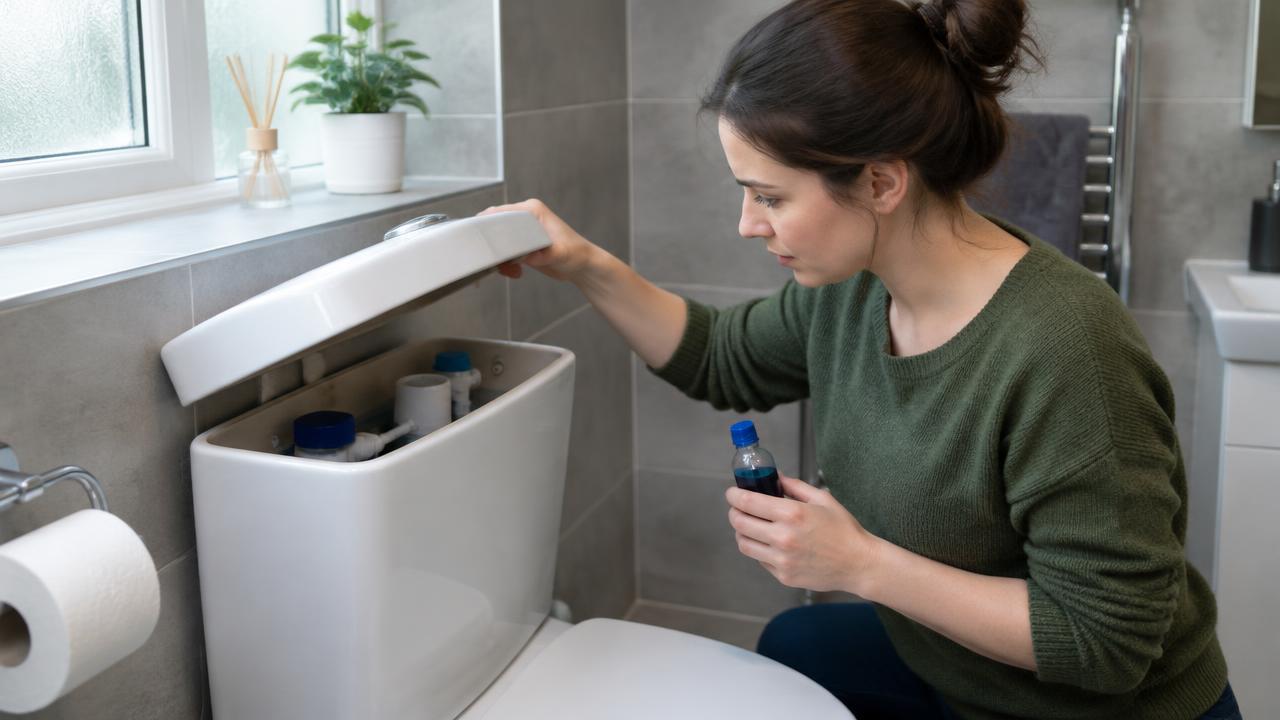
Put a few drops of food colouring in the cistern. Do not flush. Wait 20 minutes. If coloured water appears in the pan, the flush valve seal is leaking. This is a great trick that every plumber uses.
Problem 1: Water running into the overflow
If water is up to the top of the overflow tube inside the cistern, the fill valve is not closing. Try adjusting the float down — most modern valves have a screw or clip on the float arm. If it still runs, the valve's diaphragm or seal is worn, or debris is stuck in it. Many valves can be cleaned; otherwise replace the whole fill valve.
Problem 2: Water trickling into the pan
This is the flush valve. At its bottom there is a rubber seal (washer) that sits on the base of the valve. When it gets old, hard or dirty, water creeps past. Isolate the water, flush to empty, twist the flush valve out (most turn a quarter and lift), and fit a new seal. Clean the seat it sits on.
Where the seals must be
On a close-coupled toilet, the bolts holding the cistern to the pan go through the cistern. The rubber washer must sit on the inside of the cistern, under the bolt head, so it seals the hole from where the water is. A washer only on the outside will leak. The large doughnut seal sits between the cistern and the pan.
Step by step: replacing a flush valve seal
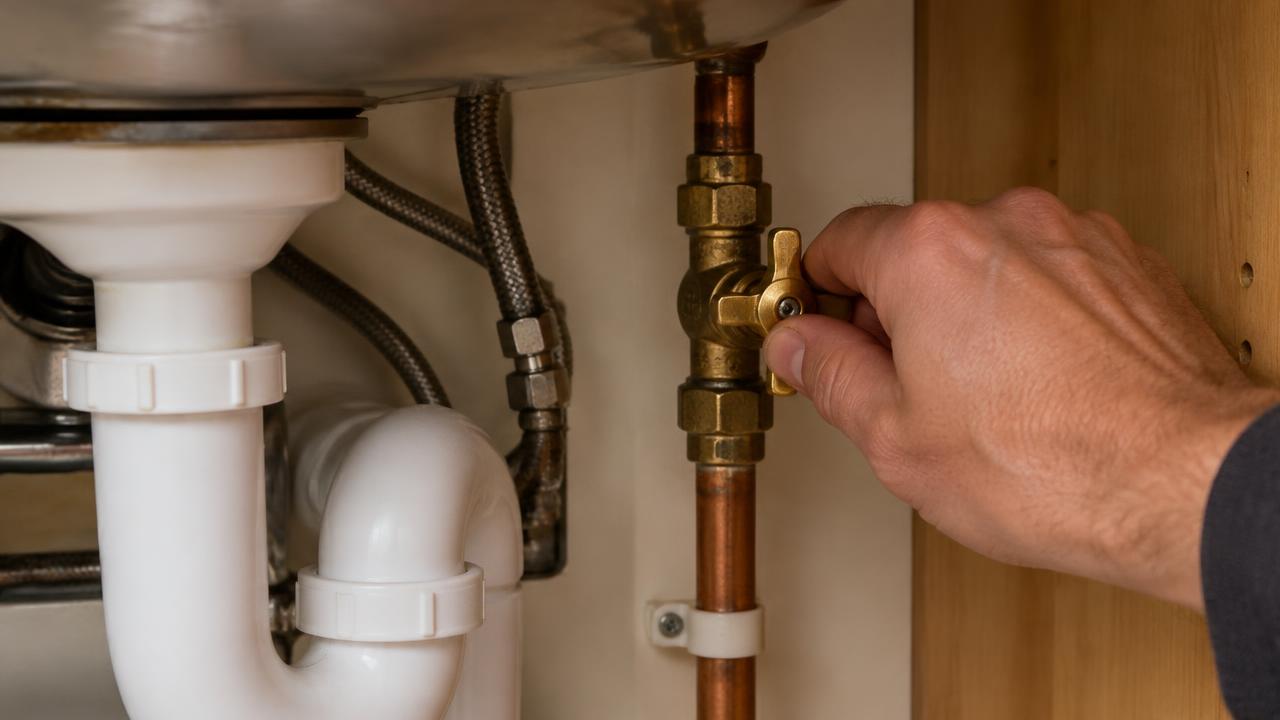
- Turn off the isolation valve on the toilet supply.
- Flush to empty and sponge the rest of the water out.
- Remove the button and twist the flush valve out.
- Pull off the old seal and fit the new one.
- Refit the valve and button, turn the water on, and test.