Signs of a hidden leak
- Your water bill suddenly goes up.
- Damp patches, stains or bubbling paint on walls or ceilings.
- Musty smell or mould in one place.
- The sound of running water when nothing is on.
- Floors that feel soft, or tiles that lift.
- Low water pressure without a reason.
The water meter test
- Make sure no one uses water. Turn off the washing machine, dishwasher and outside taps.
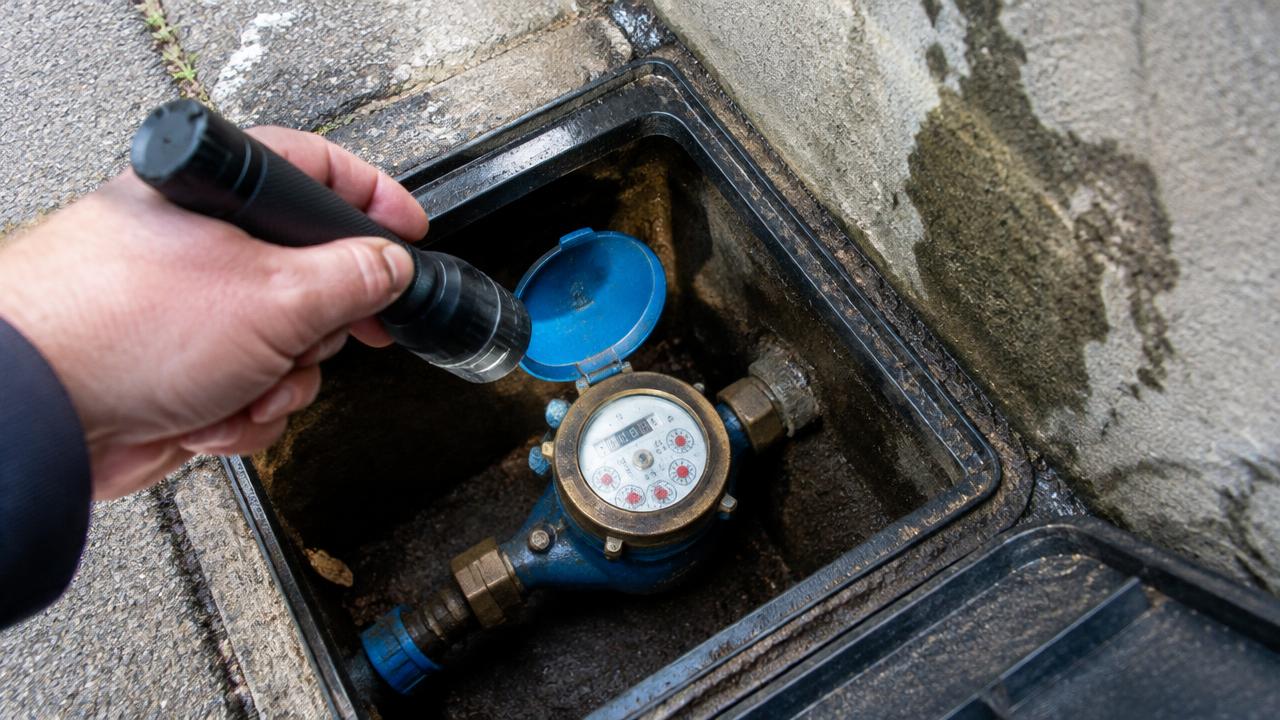
- Find your meter — often outside in the pavement, or inside near the stopcock.
- Write down the reading, or take a photo.
- Wait 30–60 minutes without using any water.
- Read it again. If it has moved, water is escaping somewhere.
Pro tip: Many meters have a small spinning star or dial. If it turns while everything is off, there is a leak.
Is it inside or outside?
Turn off your inside stopcock and watch the meter again. If it still moves, the leak is on the pipe between the meter and your house — usually underground. The pipe on your side of the boundary is normally your responsibility, but many water companies offer help or a free repair scheme, so call them first.
Narrow it down room by room
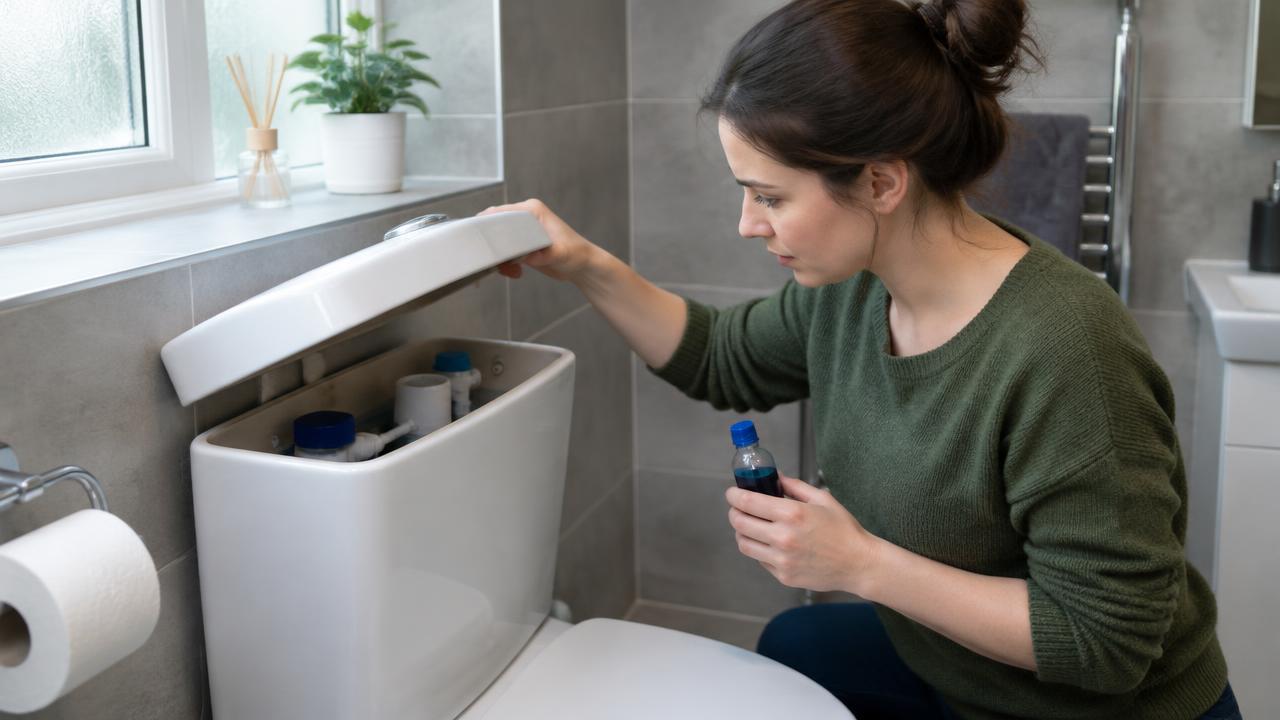
- Toilets: use the food colouring test in the cistern. A leaking flush valve is the most common hidden leak.
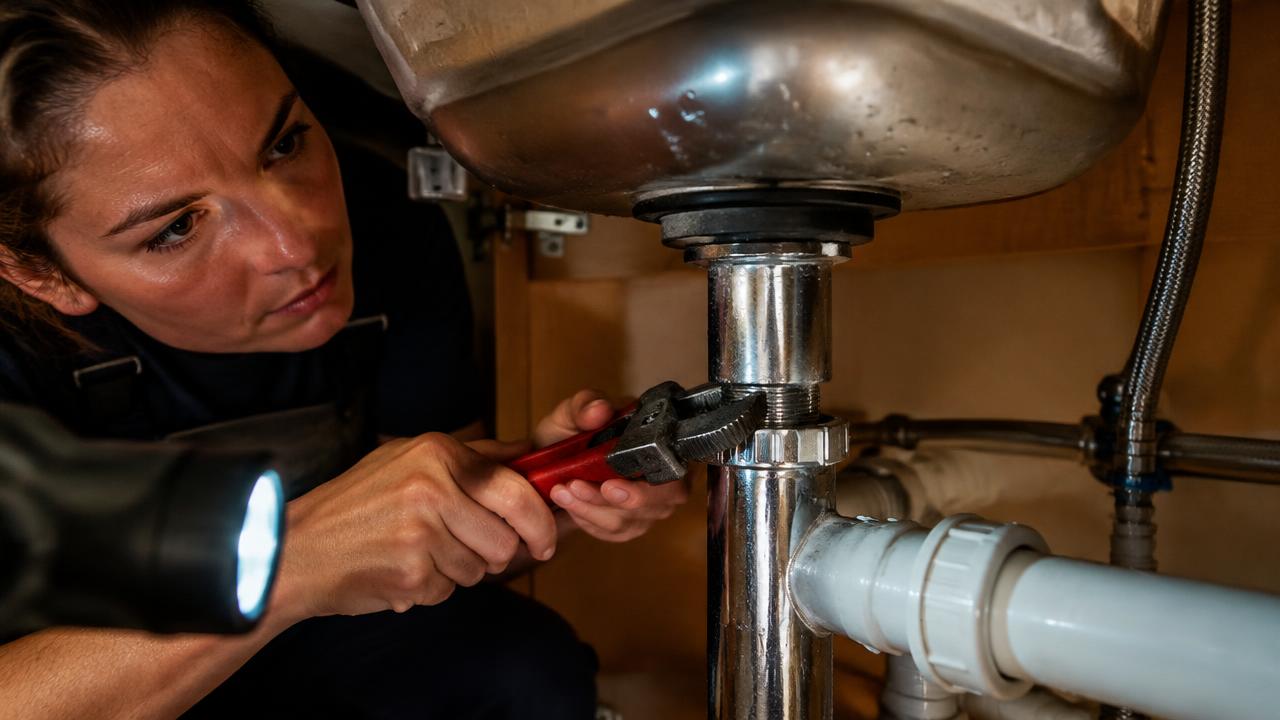
- Under sinks and baths: dry joints and check with tissue.
- Behind the washing machine: check the hoses and the valve.
- Loft: check the cold water tank, ball valve and pipes.
- Under floors: look for pipes near damp patches.
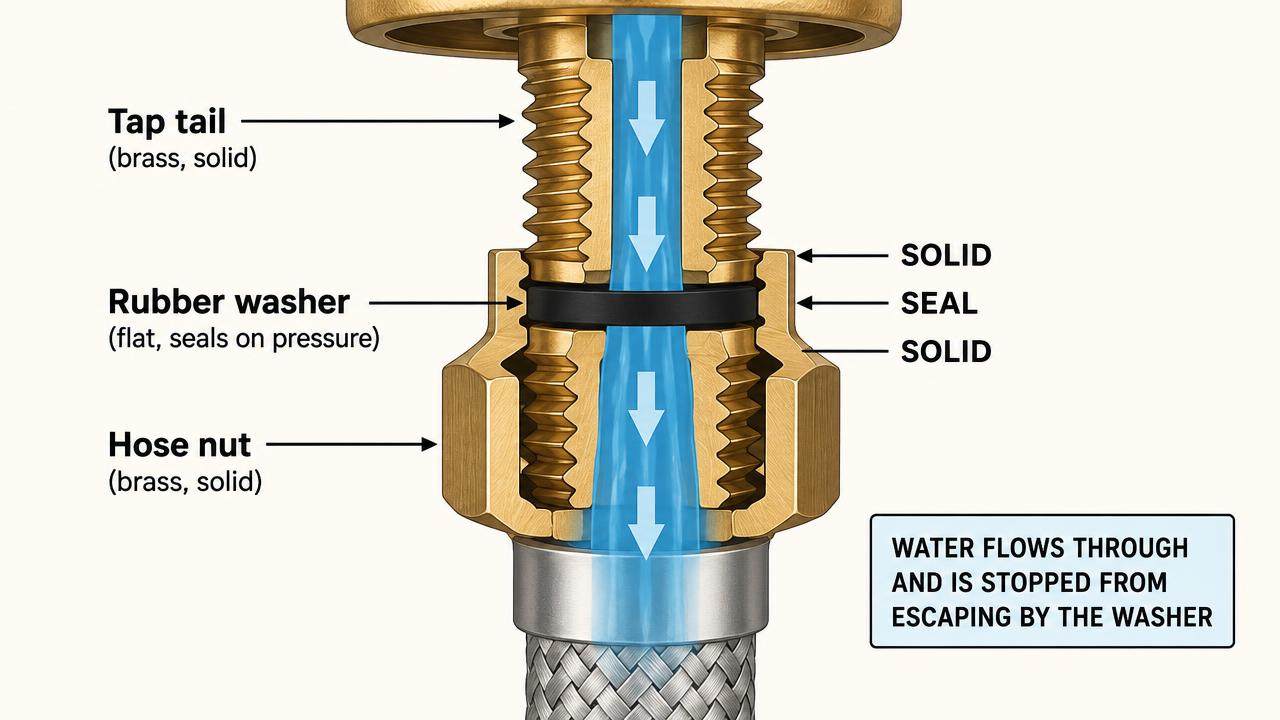
Every leak is a failed seal
Almost every leak happens where two solid parts meet and the seal between them has failed, gone missing or never sealed properly. When you find a damp area, look for the nearest joint and check its seal. That is the SSS rule in action.