Why two solids leak
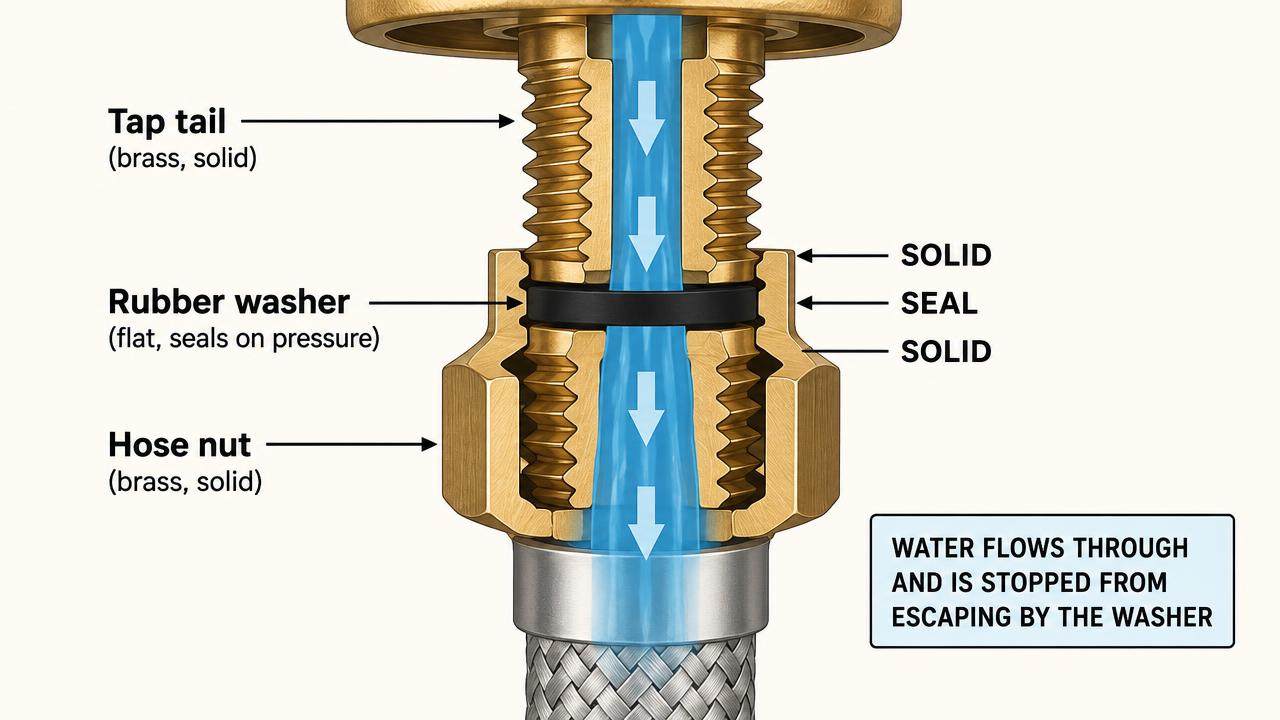
Even parts that look perfectly smooth have tiny scratches and bumps. When you push two of them together, microscopic gaps remain. Water under pressure gets through those gaps. A seal is a softer material — rubber, fibre, brass olive, PTFE — that squashes and fills every gap.
Where the seal is on common fittings
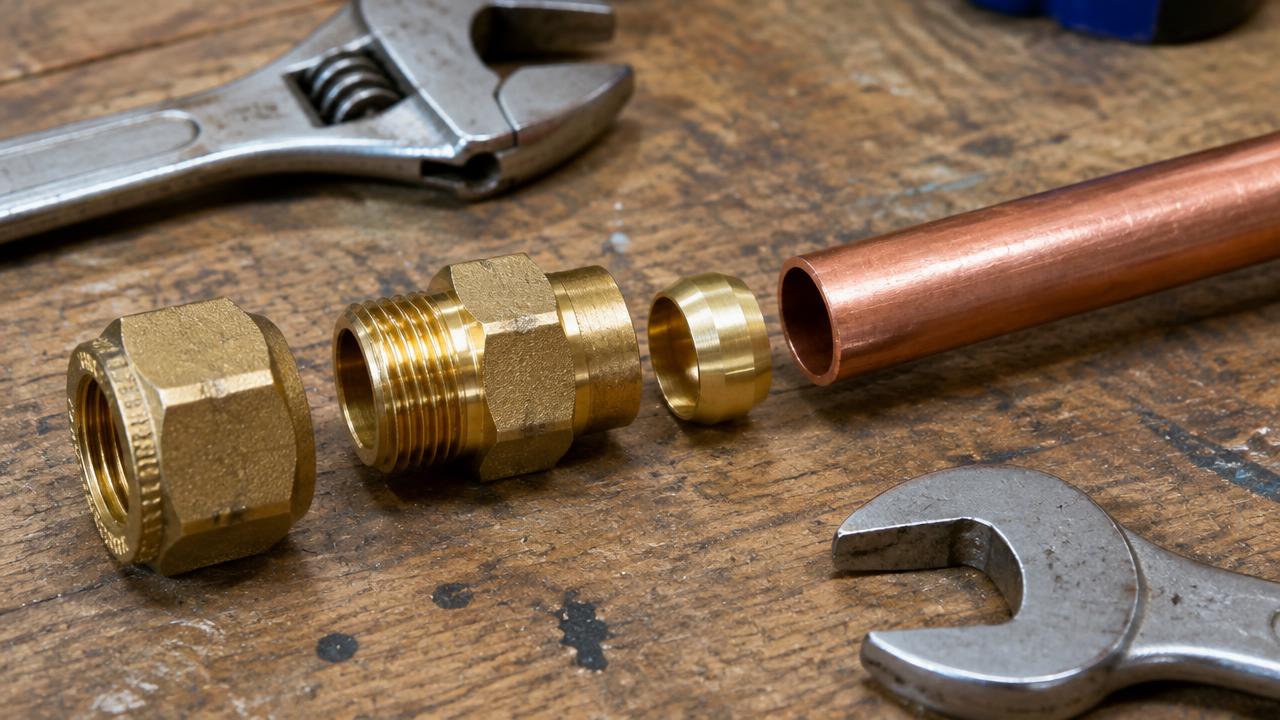
- Compression fitting: the brass olive between pipe and fitting body.
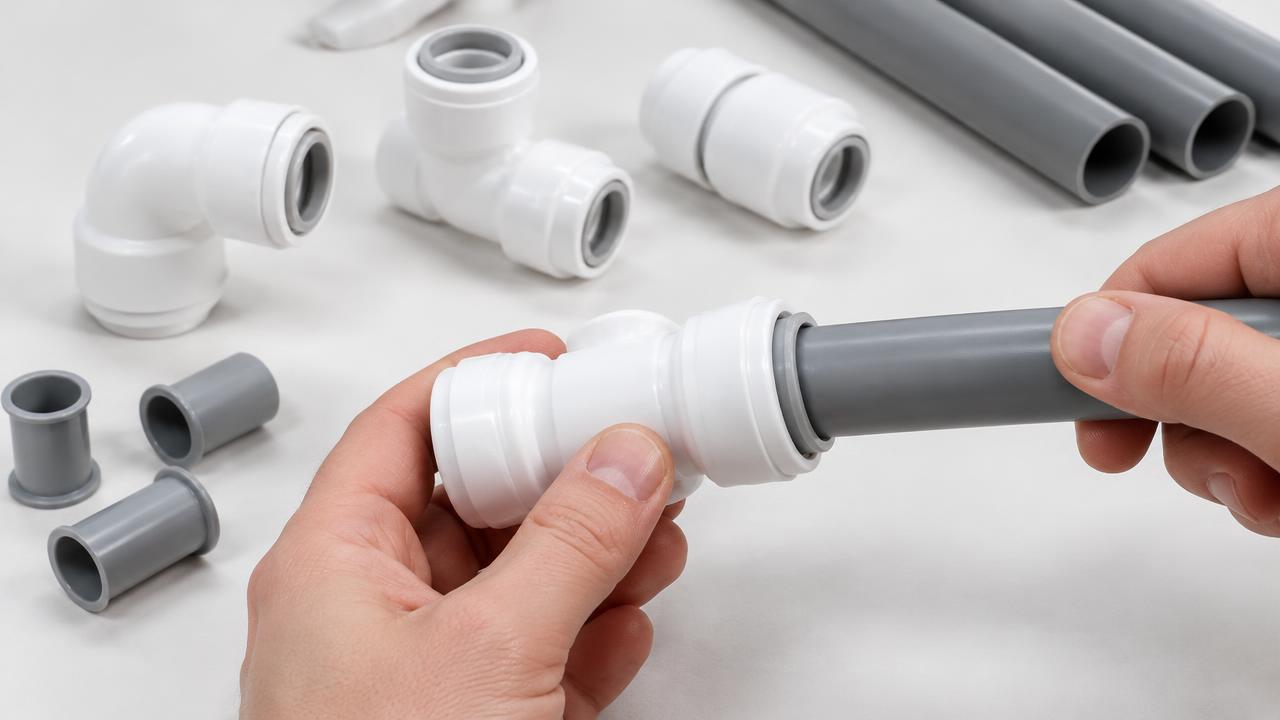
- Push-fit fitting: the rubber O-ring inside the fitting.
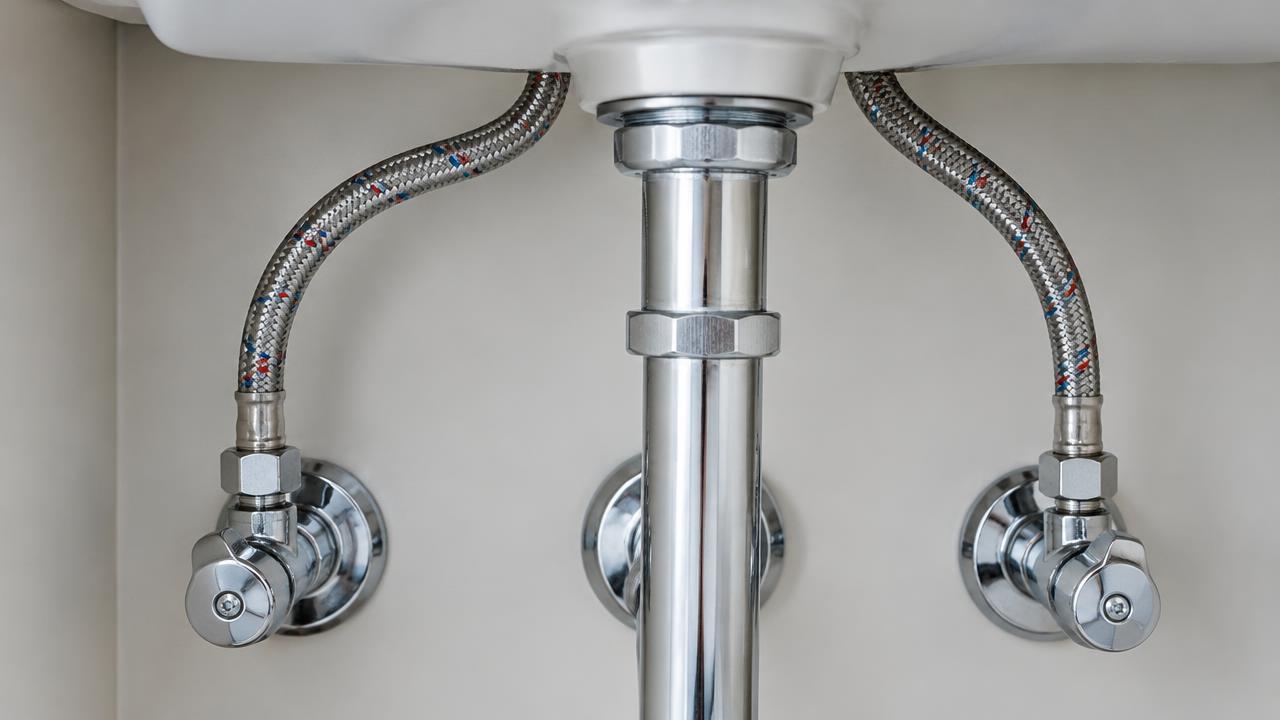
- Flexi tail: the rubber washer inside the nut.
- Tap connector: the fibre washer.
- Tap on a basin: the rubber base seal under the tap.
- Trap or waste: the cone or flat washer inside each nut.
- Cistern bolts: the rubber washer on the inside of the cistern.
- Cistern to pan: the doughnut seal.
- Pan to soil pipe: the rubber fins of the pan connector.
- Radiator valve tail: PTFE or paste on the tapered thread.
The seal must be on the water side
A seal only works where it blocks the water. In a toilet cistern, the bolt washer must be inside the cistern, where the water is, so water cannot reach the bolt hole. A washer on the outside does nothing to stop water getting into the hole.
Pro tip: When something leaks, ask three questions: Is the seal there? Is it in the right place? Is it squeezed enough (but not crushed)?
Squeezed, not crushed
A seal needs the right pressure. Too loose and gaps remain. Too tight and rubber splits, olives deform, and plastic nuts crack. That is why plumbers tighten many joints 'hand tight plus a quarter turn'.
Learn it properly
In our course every fitting has a zoomed-in picture and an animation that shows water flowing, the seal glowing, and what happens when the seal is removed. It makes the SSS rule impossible to forget.