Plumbers University

Plumbers University

Learn plumbing. Price smart. Find work.

All guides

Drains & wastes

How to fit a basin waste (slotted and unslotted)

8 min read · Plumbers University teachers

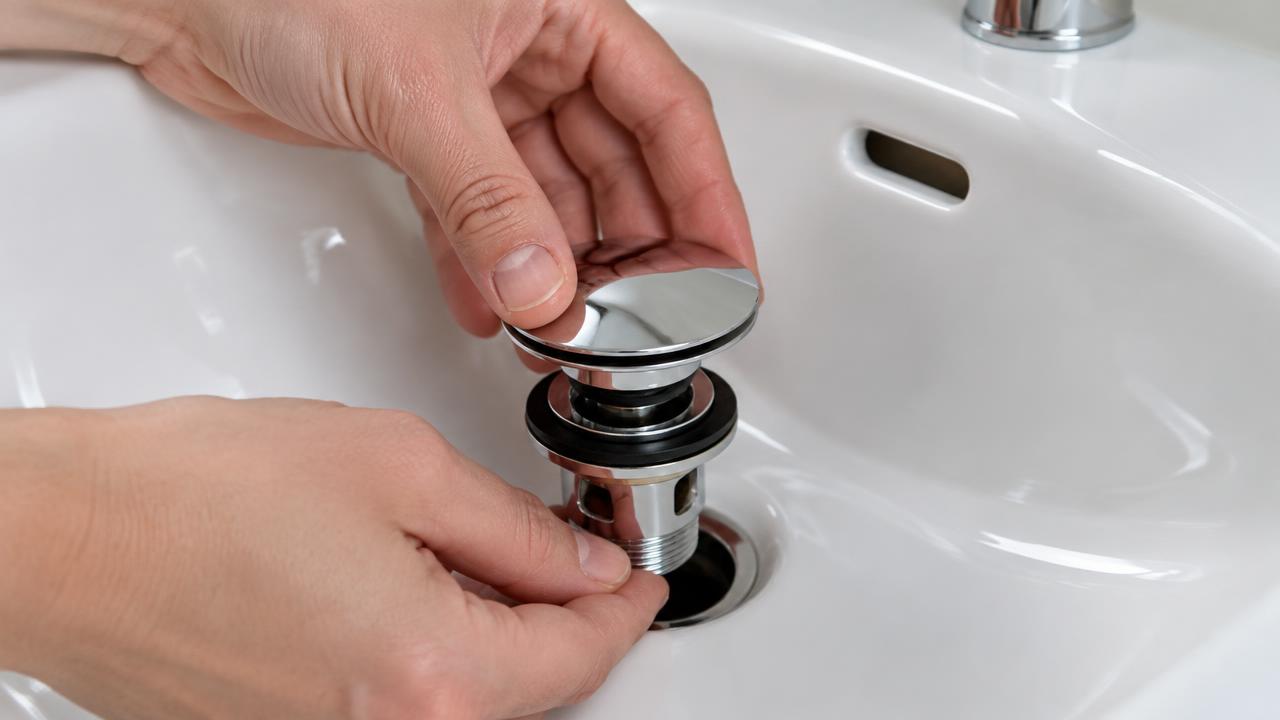
Basin waste and trap with seals shown

Quick answer

If your basin has an overflow, use a slotted waste so overflow water can drain through it. If it has no overflow, use an unslotted waste. Fit the top seal under the flange, push the waste through, fit the bottom washer and back nut, tighten, then connect the trap and test with a full basin.

What you need

  • Correct basin waste
  • Grips or waste spanner
  • Silicone sealant (if instructions say)
  • Trap

Slotted or unslotted?

Look inside the basin for the overflow hole near the top. If there is one, water from it travels down inside the basin to the waste hole, so the waste needs slots to let it in — a slotted waste. No overflow means an unslotted waste. Using the wrong type makes the overflow useless or causes leaks.

Step by step

  1. Clean the waste hole.
  2. Fit the top rubber seal under the waste flange (or silicone if instructed).
  3. Push the waste down through the hole. Line the slots up with the overflow channel.
  4. From below, fit the rubber washer, the plastic washer and the back nut.
  5. Tighten while holding the top steady.
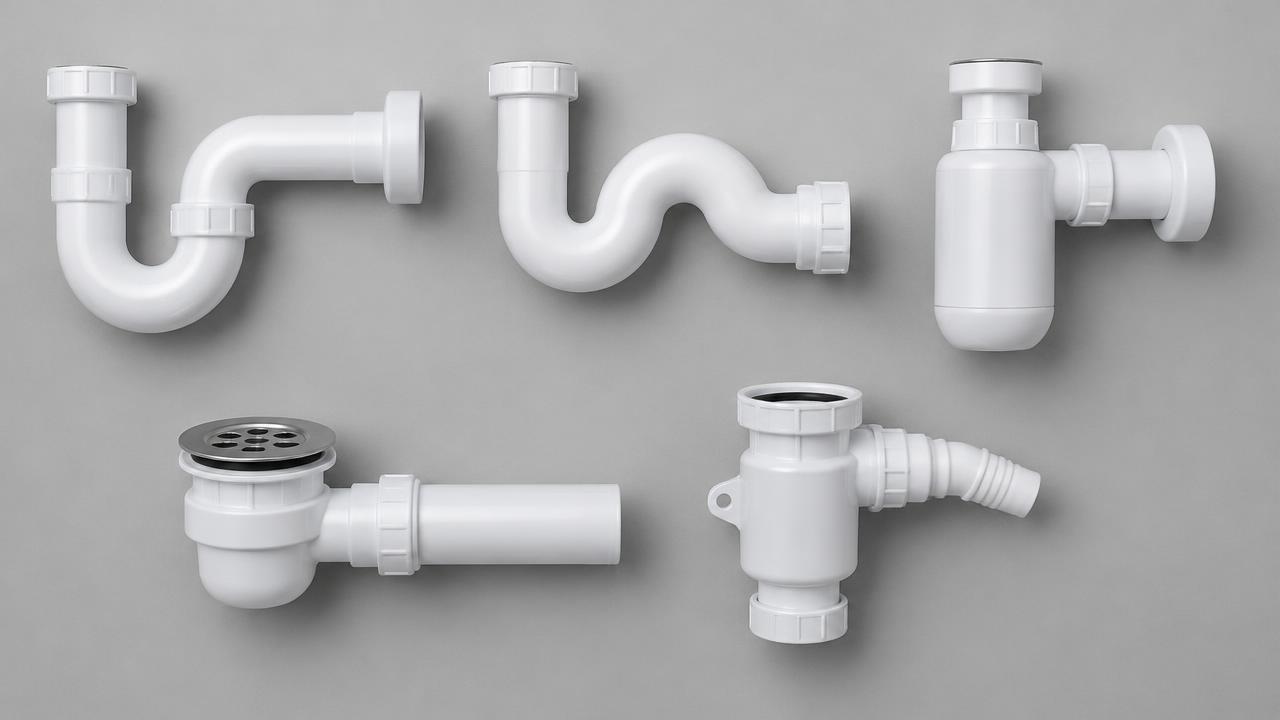
  6. Fit the trap and connect to the waste pipe.
  7. Fill the basin to the overflow, then pull the plug and check for drips.

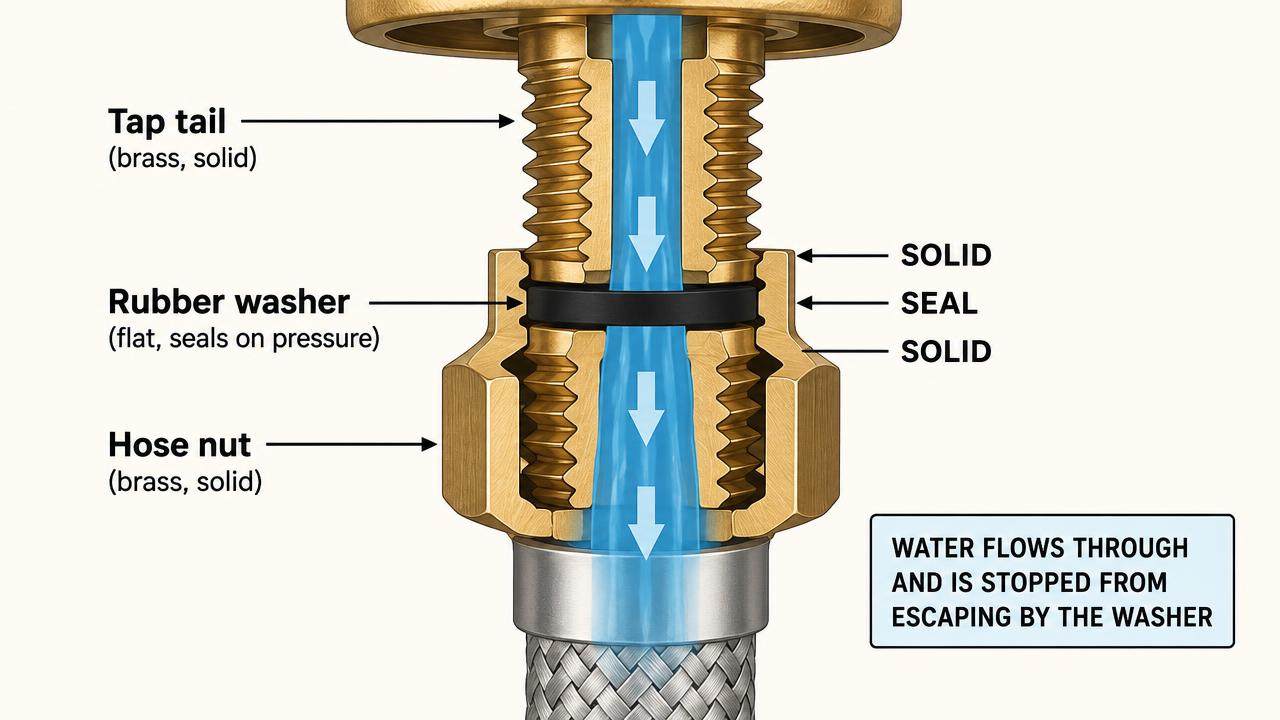
Pro tip: Two seals: one on top under the flange, one underneath. Solid basin between them both. That stops water escaping around the waste in both directions.

Click-clack vs pop-up

Click-clack wastes open and close by pressing the plug. Pop-up wastes use a lever on the tap. Click-clack is simpler and works with any tap.
Frequently asked questions

Do I need silicone on a basin waste?

Only if the instructions say so. Most come with rubber seals.

Why does my basin waste leak?

Missing seal, wrong slotted type, or the back nut not tight.

What is a basin overflow?

A hole near the top that stops the basin overflowing onto the floor.

This guide is general advice. If you are unsure, stop and ask a qualified plumber. We teach plumbing only — never work on gas.

Related guides