Plumbers University

Plumbers University

Learn plumbing. Price smart. Find work.

All guides

Drains & wastes

How to unblock a bath or shower drain

8 min read · Plumbers University teachers

Bath waste and trap under a bath

Quick answer

Most bath and shower blockages are hair and soap just under the plug. Remove the waste cover or pop-up plug, pull out the hair with a hair grabber, then plunge with the overflow covered. If it is still slow, clean the trap under the bath or shower tray.

What you need

  • Plastic hair grabber tool
  • Screwdriver
  • Plunger
  • Rubber gloves
  • Bucket

Why baths and showers block

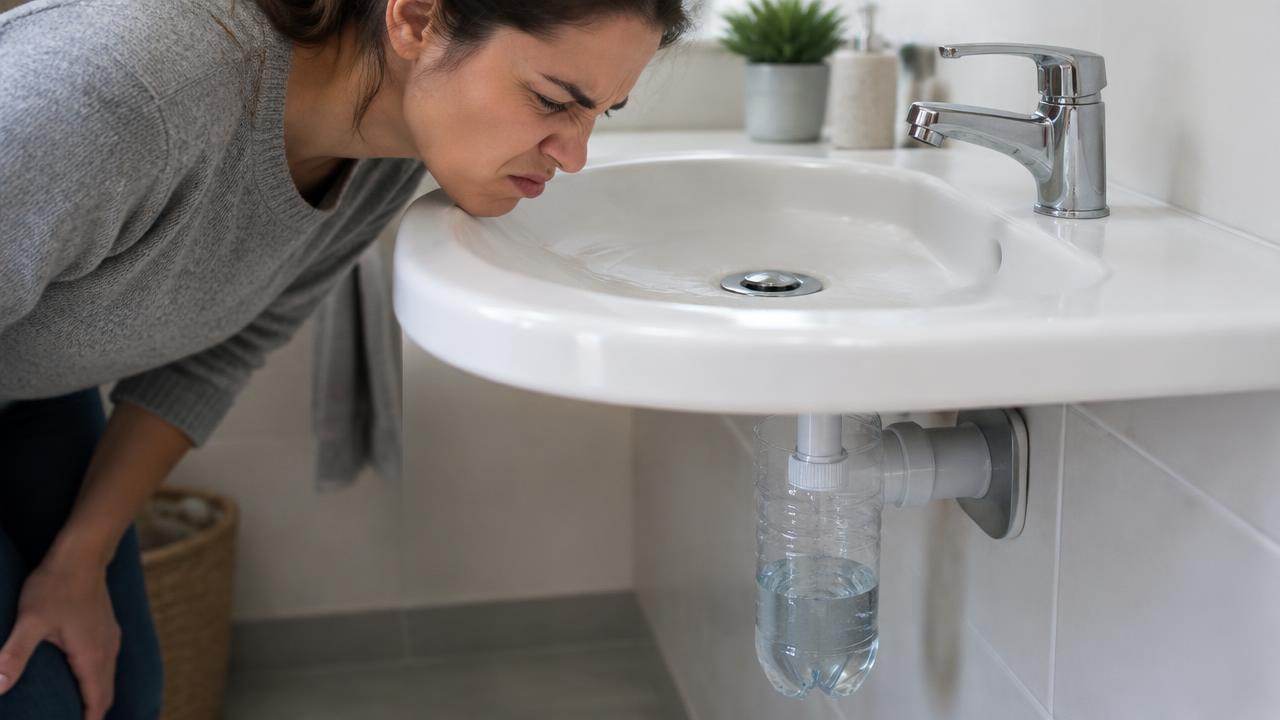
Hair binds with soap and shampoo to form a sticky clump just under the plug or in the trap. It builds up slowly, so the water drains slower and slower until it stops.

Step 1: Clear the plug hole

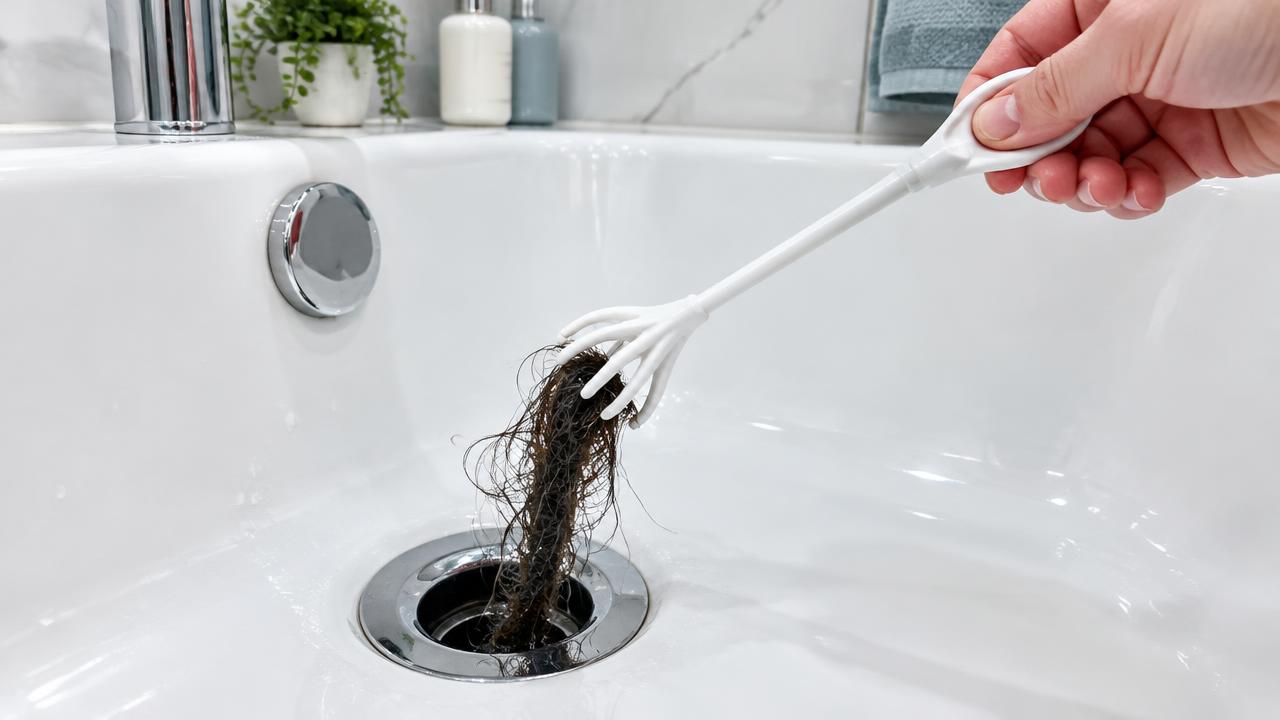
  1. Remove the waste cover, pop-up plug or shower grille — most unscrew or lift out.
  2. Push a plastic hair grabber down and pull up the hair.
  3. Run hot water to check the flow.

Step 2: Plunge

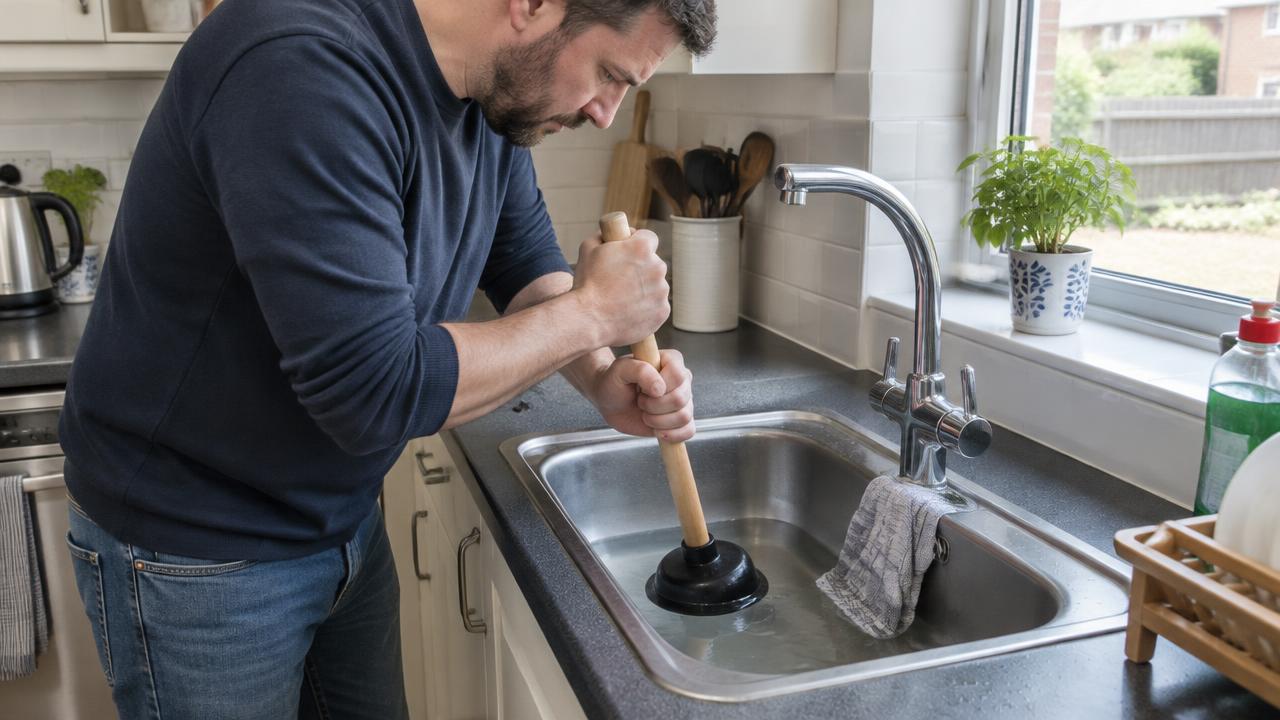
Fill a few centimetres of water, cover the overflow with a wet cloth, and plunge firmly. The overflow must be blocked or the pressure escapes.

Step 3: Clean the trap

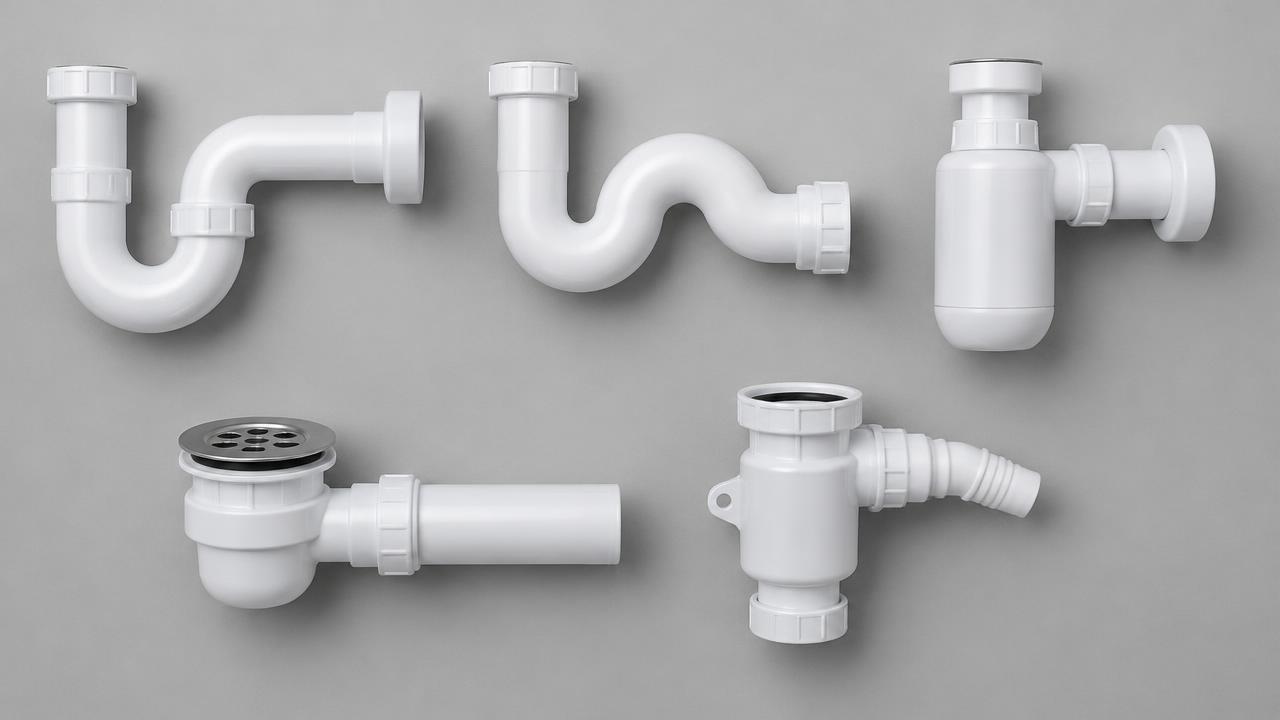
Bath traps sit under the bath behind the panel. Shower tray traps are often reachable from above by removing the grille and an inner cup. Clean out the gunk, check the seals and refit.

Pro tip: Shower tray traps often have a removable dip tube. Take it out, clean it and push it back fully — or drain smells will come back.

Prevent it

  • Fit a hair catcher over the plug.
  • Run hot water after every shower.
  • Clean the plug and grille every couple of weeks.
Frequently asked questions

Can I use bleach to unblock a shower?

Bleach does not dissolve hair. Physically removing it works better.

Why does my shower tray flood?

Usually a hair blockage in the trap, or a low-flow trap that cannot keep up with a powerful shower.

Can I reach a bath trap without removing the panel?

Not usually. Most bath panels unscrew or pull off.

This guide is general advice. If you are unsure, stop and ask a qualified plumber. We teach plumbing only — never work on gas.

Related guides